
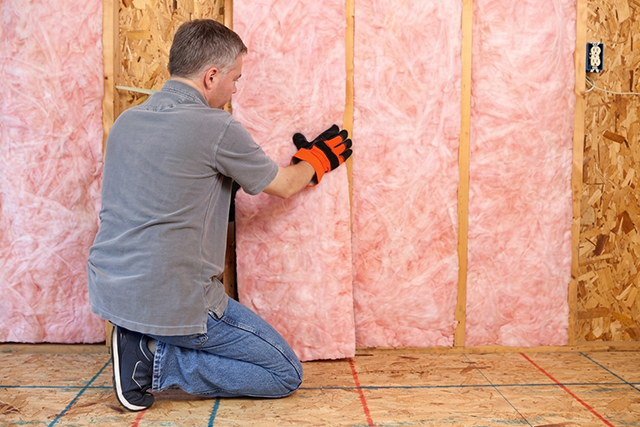
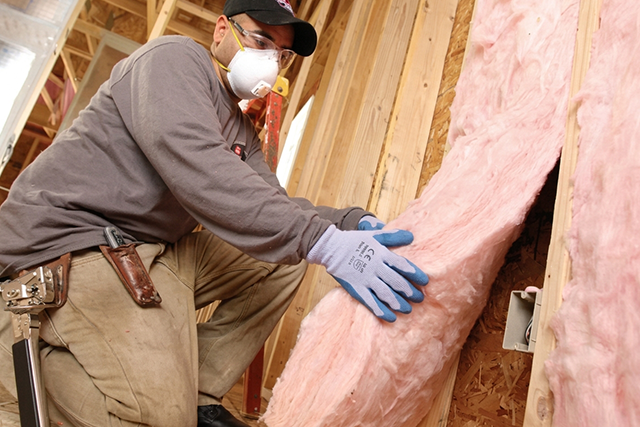
Heat regularly moves through poorly insulated walls, affecting indoor temperatures and energy use. Wall insulation also matters when certain rooms feel noticeably different from the rest of the home. At Eagle Mountain Insulation, we look at wall conditions, cavity access, and existing insulation before deciding how the work should proceed. Our wall cavity insulation approach focuses on areas where missing or weak coverage affects indoor comfort.
Several wall-related signs can indicate that insulation coverage needs attention:
Exterior-facing walls may feel cold during winter when cavities contain little insulation or have uncovered sections.
Rooms facing direct sunlight may warm faster than nearby rooms when exterior walls allow more heat indoors.
Air movement around electrical outlets on exterior walls may point to open spaces or weak insulation inside the wall.
Rooms may remain warmer or colder than nearby spaces when exterior wall insulation does not provide consistent coverage.
These conditions often appear gradually, so checking the wall assembly helps identify where insulation performance changes. We focus directly on wall cavities and their existing condition so the insulation work addresses the areas affecting each room.
Wall cavities do not always contain insulation in the condition homeowners expect. Some older walls have empty sections, while other walls contain material that no longer fills the available space. Eagle Mountain Insulation checks these conditions before carrying out wall insulation installation so the work matches the actual wall structure.
Compressed insulation creates another concern. Insulation needs enough space to perform correctly, but material squeezed behind pipes, wires, or framing may provide reduced coverage. Gaps can also develop beside wall studs, around electrical boxes, and near corners. These small uncovered areas allow more heat to move through the wall assembly.
Settled loose-fill material presents a different issue. Over time, some material may move downward, leaving the upper portion of a wall cavity with less coverage. Our wall insulation services consider these cavity conditions rather than simply adding material without checking what is already present.
We also assess framing depth and cavity shape because these factors affect how wall cavity insulation fits within the wall. By identifying empty areas, compressed sections, framing gaps, and settled material, we can select an approach that addresses the wall’s specific condition instead of treating every property the same way.
A clear process helps wall insulation remain consistent across accessible wall sections. Eagle Mountain Insulation begins by reviewing the wall layout, cavity condition, and available access points. Our wall insulation process changes according to whether walls are open, finished, newly framed, or already insulated. We also consider wiring, plumbing, electrical boxes, and framing before insulation enters the cavity.
The following steps explain how we handle wall insulation services from inspection through completion:
We examine wall construction, stud spacing, cavity depth, existing material, and accessible sections before deciding which insulation method suits the wall.
We determine suitable cavity access while considering drywall, framing, electrical lines, plumbing, and other wall components that affect material placement during installation work.
We place insulation throughout the required wall cavities while reducing uncovered areas around framing, corners, wiring, outlets, and other common interruption points.
We check treated wall sections for consistent coverage and confirm that insulation reaches the intended cavity areas without unnecessary compression or missed spaces.
This process helps exterior wall insulation provide dependable thermal coverage across different wall layouts. Our approach also supports long-term consistency because each stage responds to the actual wall structure, rather than relying on one installation method for every property.
We select insulation that suits the wall cavity, helping you avoid poor material fit that can limit thermal performance or create uneven filling.
We check for visible moisture concerns before adding insulation, helping you avoid covering wall conditions that may affect insulation performance over time.
We manage insulation density inside wall cavities, helping you avoid overfilling that can reduce material performance or place unnecessary pressure inside finished walls.
Fire blocking can divide one wall cavity into smaller sections, which affects how insulation reaches each area. Our team checks these internal breaks before filling the wall so insulation reaches the intended sections without leaving hidden portions untreated behind framing or wall finishes.
Most insulation sits inside the existing wall cavity, so it does not reduce normal room space. When wall insulation is planned correctly, the material stays within the wall assembly while improving temperature control through exterior-facing wall sections throughout the home.
Older wiring can affect how insulation is placed inside a wall cavity. Eagle Mountain Insulation considers visible wiring conditions before adding material, helping prevent insulation from being placed where electrical components require clear space, added protection, or further review before work continues.
Built-in cabinets, shelving, and fixed wall finishes can limit access to certain wall cavities. Our approach considers these obstructions before work begins, so insulation placement focuses on reachable wall sections without disturbing features that should remain in place during the job.
Yes. South- and west-facing walls often receive more direct sun, while north-facing walls may stay cooler. We consider wall exposure when reviewing insulation needs because different sides of the same building can experience different levels of heat movement during the day.
Wall thickness controls how much space is available for insulation inside the cavity. Deeper walls can hold more material than shallow walls, so our team checks framing depth before selecting an insulation amount that fits the existing wall assembly without forcing excess material inside.