
Eagle Mountain Insulation
A newer home can still have rooms that behave differently from the rest of the house. An upstairs bedroom may warm faster in summer, a finished basement may stay cooler, or a remodeled area may have different insulation coverage. Those differences do not automatically mean something was installed incorrectly. They do make the building envelope worth evaluating as a complete system.
Eagle Mountain Insulation provides insulation services in Herriman, UT, with attention to attics, framed walls, basements, and other boundaries between conditioned and unconditioned spaces. We assess existing coverage before recommending fiberglass, blown-in insulation, or another suitable approach.
The goal is not simply to add more material. It is to determine where insulation can support better thermal resistance and more consistent indoor temperatures.
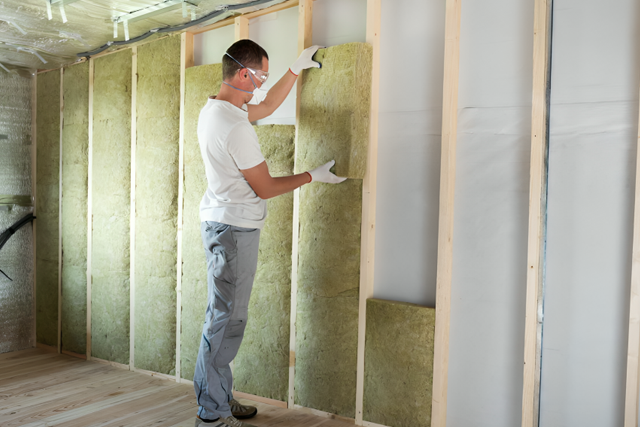
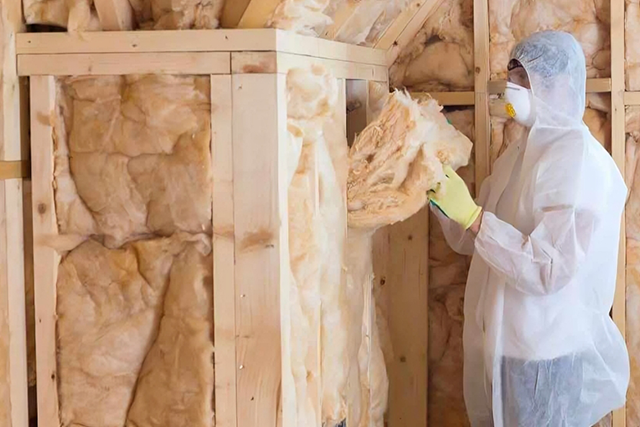
Insulation planning starts with how the home is built and used. A two-story property can have different concerns from a single-level home with a finished basement. Remodeling can also change which walls or roof-adjacent spaces become part of the conditioned area.
Areas worth checking may include:
transitions into unconditioned spaces.
An insulation assessment helps identify where an upgrade makes sense instead of assuming every section of the home needs the same work.
Building age alone cannot tell a homeowner how every attic section, framed wall, or finished room performs. Temperature differences may also involve windows, HVAC distribution, air leakage, room orientation, or sun exposure.
Homeowners noticing persistent comfort changes can review the company’s guide to signs a home may need better insulation before deciding what to inspect.
Area to Review | What Matters | Possible Direction |
Attic | Depth, gaps and ventilation | Batts or loose-fill |
Exterior walls | Cavity coverage and fit | Fiberglass or wall insulation |
Finished basement | Conditioned-space boundaries | Cavity insulation |
Remodel or addition | Newly exposed assemblies | Project-specific installation |
Irregular spaces | Corners and framing obstacles | Blow-in where suitable |
Looking at the home this way helps avoid assuming one uncomfortable room means the entire property needs insulation replacement.
The attic separates occupied rooms from the area beneath the roof, making coverage across the attic floor an important part of the thermal boundary.
Attic insulation in Herriman may involve fiberglass batts, loose-fill material, or a combination suited to the existing layout. An insulation depth check can identify thin areas, while a coverage evaluation can reveal exposed sections around framing.
Roof-adjacent spaces also require careful placement. Insulation should provide useful resistance to heat movement without blocking required ventilation or access.
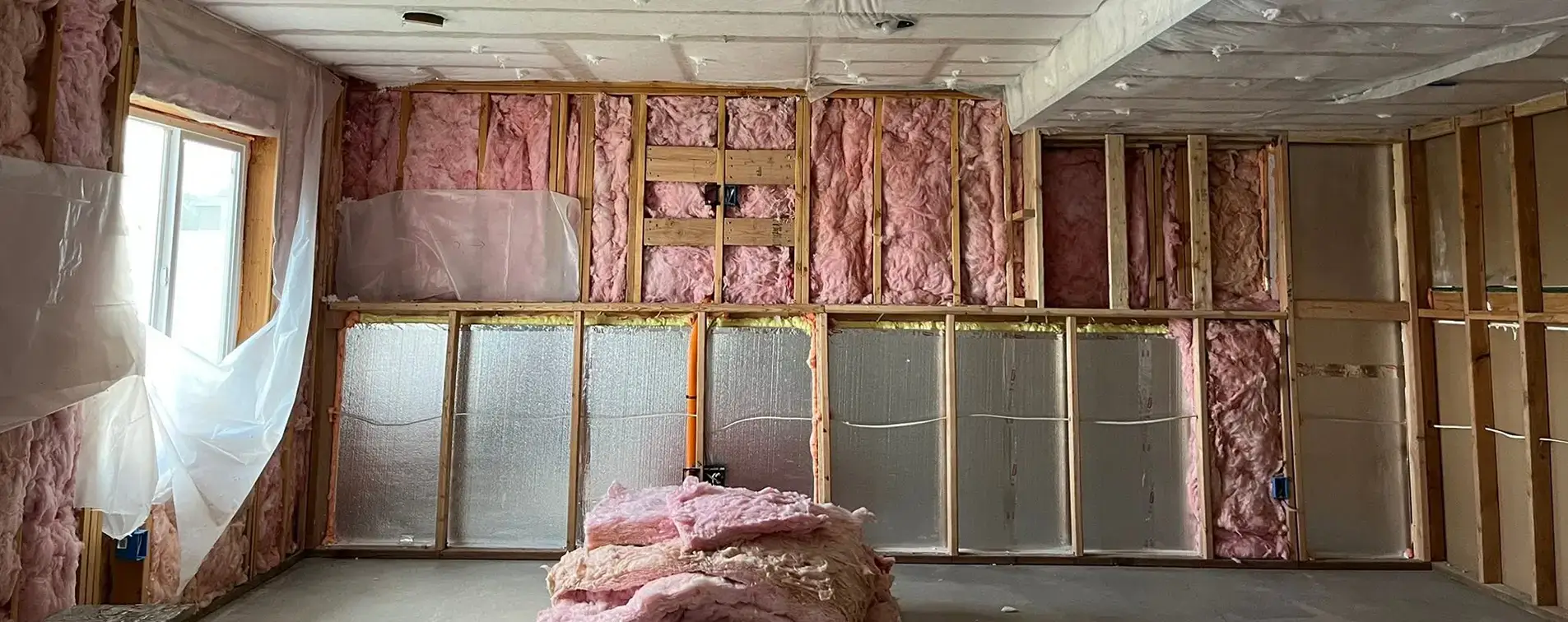
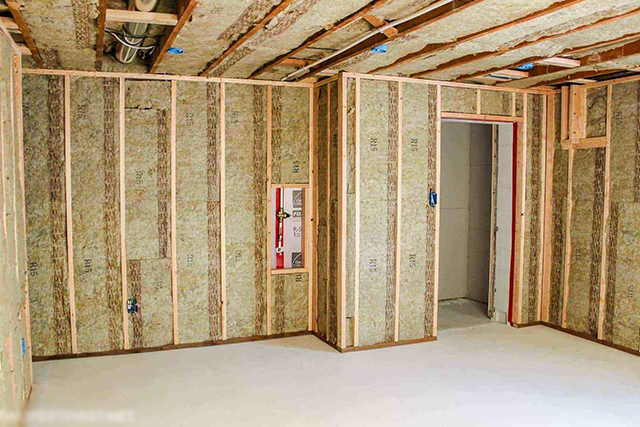
Fiberglass batts can work well in accessible framed walls because the material fits between studs when cavities are properly sized.
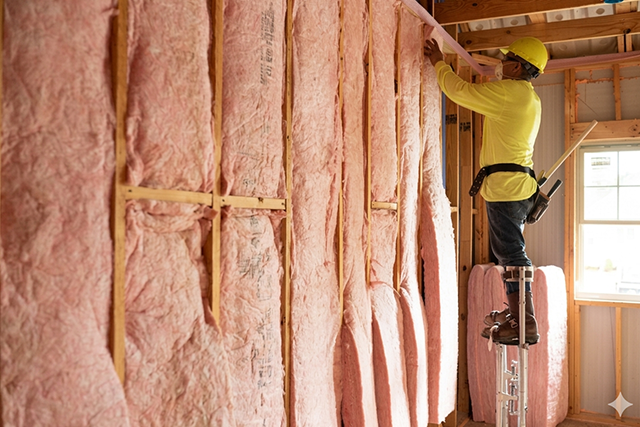
Installation quality matters. Gaps, excessive compression, and uncovered sections can reduce the performance of the insulated assembly. Open walls during construction or remodeling also provide a useful opportunity to inspect coverage before drywall conceals the cavities.
Homeowners comparing materials can review Eagle Mountain Insulation’s fiberglass insulation services for more detail about where fiberglass can be used.
Blown-in insulation uses loose-fill material instead of pre-cut batts. It can be useful in spaces where irregular framing makes consistent batt coverage difficult.
Possible applications include:
Open attic floors: Loose-fill can cover broad areas and spaces around framing.
Irregular sections: Material can reach corners that are difficult to cover with batts.
Suitable existing walls: Some enclosed cavities may accommodate blow-in installation.
Added attic coverage: Loose-fill may increase depth where existing insulation is thin.
Framing obstacles: Material can fit around joists, pipes, and wiring when installed correctly.
The property layout and existing material should determine whether blow-in insulation services are appropriate.
A finished basement becomes part of the occupied environment, so its insulation should be considered alongside walls and attic areas.
Basement insulation may involve framed exterior walls, rim areas, ceilings, or other boundaries depending on construction. An unfinished storage area can require a different approach from bedrooms, family rooms, or other conditioned lower-level spaces.
Reviewing these areas is especially useful before finishing a basement or changing how an existing lower level will be used.
The building envelope includes assemblies separating conditioned indoor space from outdoor conditions or unconditioned areas. That can include exterior walls, ceilings, attic assemblies, and portions of the basement.
Insulation slows heat movement through these assemblies. Consistent coverage can also make it easier for the HVAC system to maintain the selected indoor temperature.
Eagle Mountain Insulation reviews accessible areas, considers existing insulation and framing, recommends a suitable material, completes the planned installation, and checks finished coverage.
It can be useful if certain rooms repeatedly feel different or remodeling exposes hidden cavities. A newer construction date alone does not show what is happening in every part of the building envelope.
Neither is automatically better. Fiberglass batts can suit accessible framing, while blown-in material can work well across open or irregular attic areas.
Yes. Basement finishing can provide an opportunity to address framed walls and other boundaries before drywall and finishes cover them.
No. Windows, HVAC distribution, air leakage, sun exposure, and room location can also affect temperature. An assessment helps determine whether insulation is part of the problem.
Area size, material, access, existing conditions, preparation, and the amount of insulation required can influence cost. A property-specific assessment provides a more useful basis for a quote.
Not necessarily. Cavity depth, framing, existing material, accessibility, and whether the wall is finished can affect the installation approach.
Call (801) 879-1320 or use the form to request a free insulation quote in Herriman.
Phone: (801) 879-1320
Email: eaglemountaininsulation@gmail.com