

Commercial buildings depend on stable indoor temperatures, controlled energy use, and proper thermal protection across large spaces. We reduce unwanted heat transfer through walls, ceilings, roof areas, and other parts of a building. Eagle Mountain Insulation works with different commercial properties where insulation needs change based on building size, layout, occupancy, and daily operations. Our approach considers how each property uses its indoor space before insulation work begins.
Commercial properties that commonly require insulation include:
Office insulation helps control temperature differences between workspaces, meeting rooms, exterior walls, and upper floors while supporting steady indoor conditions throughout regular working hours.
Medical buildings require stable indoor temperatures across patient rooms, treatment areas, waiting spaces, and staff sections where comfort remains important throughout operating hours.
Retail insulation helps limit heat movement through storefront walls, ceilings, stockrooms, and customer areas where frequent door activity can affect indoor temperature levels.
Restaurants and warehouses contain large, varied spaces where insulation helps manage heat transfer around storage areas, work zones, exterior walls, and roof surfaces.
Our work accounts for property use, accessible building sections, existing insulation conditions, and thermal coverage requirements. Eagle Mountain Insulation focuses on insulation placement that supports consistent building performance without treating every commercial property the same way.
Different commercial buildings require different insulation materials because of wall construction, roof design, available cavity space, and temperature conditions vary from one property to another. Eagle Mountain Insulation reviews these conditions before selecting materials for commercial insulation installation. The goal is to place insulation where it can properly limit heat movement and support the building’s thermal requirements.
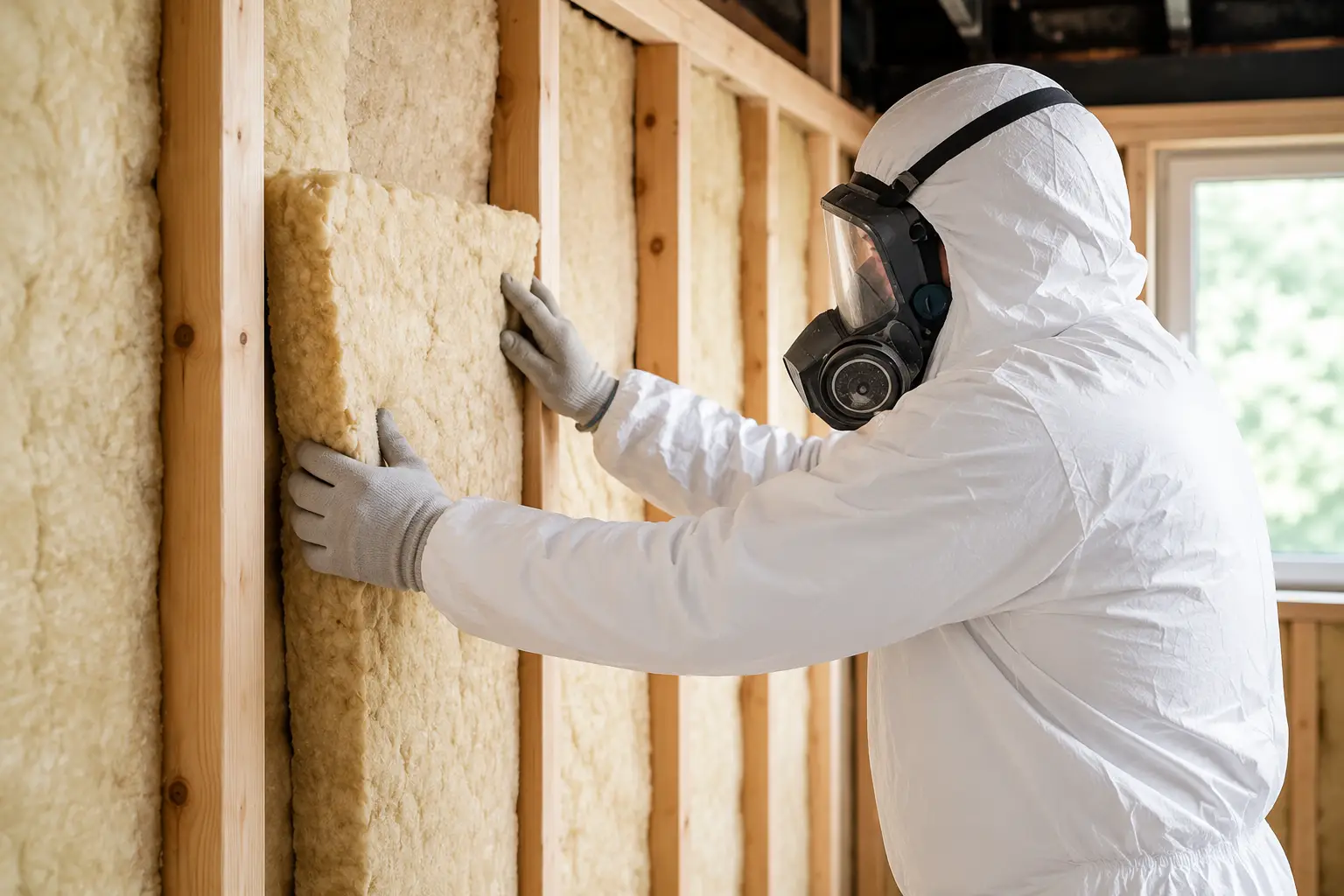
Fiberglass batt insulation works well in open wall cavities, framed sections, and accessible ceiling areas where standard-sized insulation fits properly. Fiberglass blanket insulation covers larger surfaces and is commonly used where broad sections require continuous thermal coverage. Blown-in insulation reaches irregular cavities and areas where standard batts may leave difficult spaces untreated.
Spray foam insulation expands after application, allowing it to fill gaps, joints, and uneven building cavities. It can be useful where air movement through small openings affects indoor temperature control. Rigid foam board provides firm insulation coverage for certain commercial walls, roof assemblies, and other flat building sections.
Our materials selection depends on the actual building assembly rather than using one material for every project. Eagle Mountain Insulation considers cavity depth, framing, access, moisture conditions, thermal requirements, and surrounding building components before determining which insulation method fits the property.
Commercial insulation work often takes place inside active properties where employees, customers, equipment, contractors, and daily business activities remain present. Eagle Mountain Insulation plans commercial insulation around these conditions so insulation work fits the building’s normal use. Our team considers access, work zones, ceiling height, construction schedules, and occupied areas before installation begins.
Several project conditions require additional planning during commercial insulation work:
We organize insulation work around normal operating periods when possible, helping reduce interference with employee routines, customer access, scheduled appointments, and daily building activities.
We separate active work sections from occupied spaces whenever conditions allow, helping keep employees, customers, furniture, inventory, and equipment away from installation areas.
We coordinate insulation timing with framing, electrical, plumbing, HVAC, and drywall work so building sections remain accessible when insulation placement needs to occur.
We plan for tall ceilings, upper wall sections, roof spaces, and large commercial surfaces that require suitable access before insulation work can proceed.
These planning steps help commercial building insulation services remain organized throughout the project. Eagle Mountain Insulation adjusts its work sequence to the property, helping insulation remain properly placed while reducing unnecessary interference with ongoing business or construction activity.
We consider vapor movement and moisture-sensitive areas during commercial insulation, helping protect insulation performance and reduce conditions that may cause damp building sections.
We follow insulation requirements around rated wall and ceiling assemblies, helping your commercial property maintain required separation while avoiding improper insulation placement.
We insulate carefully around pipes, conduits, vents, and other penetrations, helping reduce small thermal gaps that can affect commercial building energy performance.
Building plans, access details, utility locations, and occupancy schedules help Eagle Mountain Insulation understand site conditions before work starts. Our team also reviews restricted areas, equipment locations, and building use so the insulation scope matches the property’s daily needs and layout.
Major interior changes can alter wall cavities, ceilings, and thermal boundaries. Eagle Mountain Insulation can review affected insulated areas after remodeling. This helps building owners confirm whether changed sections still support the intended temperature control, energy performance, and current use of the space.
We can support steadier indoor conditions in storage areas where products react to heat or cold. Our team considers the insulated boundary, surrounding spaces, door activity, and building use to reduce temperature changes across the protected section during daily operations.
Older buildings may have settled materials, altered wall systems, past renovations, or sections built under earlier standards. Eagle Mountain Insulation checks these conditions so owners understand where existing insulation may perform differently across the same commercial property and where added review is useful.
New HVAC equipment may change heating and cooling output across a commercial building. Reviewing nearby insulated areas can help confirm whether the building envelope supports the updated system. Our team can identify insulation conditions that may affect temperature control after the equipment change.
Keeping material details, installed areas, project dates, and related building plans makes future maintenance easier. We provide clear project information so owners can track insulated sections and reference them during later renovations, inspections, property updates, or changes in building use.