
Proper insulation coverage limits unwanted heat transfer through areas where indoor and outdoor temperatures meet. Blow-in insulation works well in spaces where rolls or bats may leave gaps around framing. Eagle Mountain Insulation provides blow-in insulation services for homes that need added coverage in open or enclosed areas. Our approach starts with where loose-fill material can be placed and how the structure affects installation.
We use blow-in insulation in areas where loose material can spread around framing, corners, and other irregular spaces. This method also allows us to work with certain existing wall cavities without removing large wall sections.
Here are common areas where our team can install loose-fill insulation:
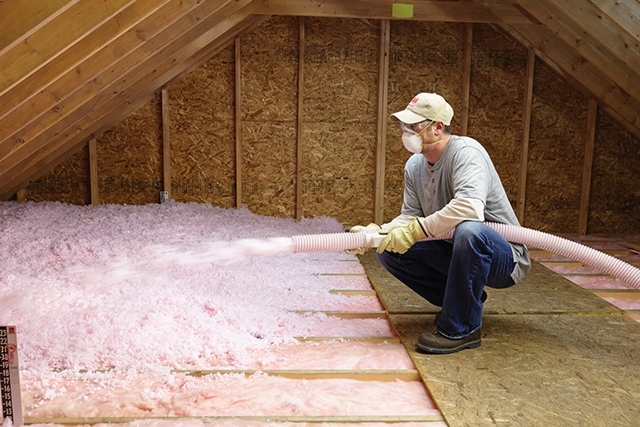
We spread loose-fill material across accessible attic floors, including areas between and above joists where additional insulation coverage is required.
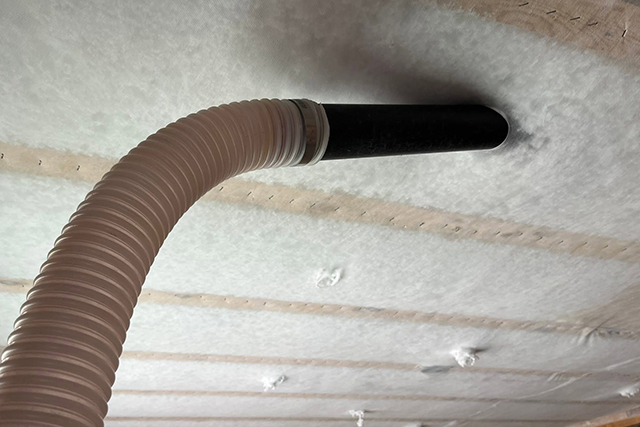
We use blown-in insulation installation methods to fill suitable existing wall cavities that have little insulation or noticeable empty sections.
We direct insulation into corners and narrow sections that are difficult to cover evenly with pre-cut insulation materials.
We place loose-fill material around joists, pipes, wiring, and structural framing while keeping required access and ventilation areas clear.
Our team considers the layout, existing insulation, access points, and required coverage before beginning the work. This helps us apply material where it serves a clear insulation purpose.
Existing insulation does not always provide even coverage throughout an attic or wall system. Some sections may contain enough material, while other areas remain thin, bare, or compressed. Eagle Mountain Insulation follows a step-by-step process during blow-in insulation services, so our work reflects the actual condition of each property.
We first inspect the current insulation depth and condition. This check helps us locate areas where loose material has settled or where previous work leaves exposed sections. We also look for visible moisture issues or other conditions that may need attention before adding new material.
Next, we identify thin and bare areas that require additional blow-in insulation. We also review attic access because hose placement, equipment setup, and movement inside the space depend on safe entry.
Our team then determines the insulation depth required for the planned work. Existing material, cavity size, and the selected insulation product affect this decision.
Before we begin installing blown-in insulation, we prepare areas around recessed lights, vents, attic openings, and other sensitive locations. Ventilation paths must remain open, and certain fixtures require proper clearance.
Once preparation is complete, we apply the loose-fill material across the planned sections. We continue checking depth during application to keep coverage consistent throughout the intended area.
The way loose-fill material moves from its packaging into an attic or wall cavity depends heavily on the equipment used during the job. Eagle Mountain Insulation uses equipment made specifically for blow-in insulation services, allowing our team to control material flow and reach sections that may be difficult to access by hand.
The equipment also helps us manage coverage without relying on guesswork. Our team monitors material placement while working around framing, access points, and other building features.
Here are several tools that support our blow-in insulation work:
We use an insulation blowing machine to break up and move loose-fill material at a controlled rate before it enters the application hose.
Long hoses allow our team to direct insulation into attic corners, across open floor areas, and toward suitable enclosed cavities.
The feed system keeps insulation moving through the machine and helps maintain a steady supply during blown-in insulation installation.
We use depth markers to check how much loose-fill material reaches different attic sections and identify areas that require further application.
Attic access equipment also helps our team reach the work area while limiting unnecessary movement across insulated sections. Using the right equipment supports even material distribution and makes it easier to work around structural obstacles. Our process remains focused on placing the required amount of insulation in the planned areas without blocking ventilation or required access.
We control loose-fill flow during application, helping clients avoid overfilled sections, wasted material, and inconsistent blow-in insulation coverage across the planned space.
We keep loose insulation contained during setup and application, reducing scattered fibers around access areas while keeping the blow-in insulation work organized for clients.
We account for how loose-fill material behaves after placement, helping clients receive blow-in insulation services planned around proper installed depth and expected settling.
Moisture, repeated attic traffic, pests, or material movement can reduce how well loose-fill insulation performs. We check these conditions, so the added material supports better coverage instead of hiding an existing problem.
Loose-fill material may shift slightly if attic airflow, foot traffic, or later repairs disturb the surface. Our team checks the finished coverage carefully and explains which areas should remain untouched, so the insulation continues performing as intended.
Older homes often contain irregular spaces that are difficult to fill with rigid insulation products. Blown-in material can move around framing and into narrow sections, making it useful when the goal is to improve coverage without major changes to finished areas.
Yes, loose-fill insulation can settle around many pipes, wires, and framing sections when applied correctly. Eagle Mountain Insulation places the material carefully, so these building parts remain accessible where needed while the surrounding area receives useful insulation coverage.
Walking across loose-fill insulation can compress or move the material, which may create low spots. Homeowners should also avoid storing heavy items directly on insulated areas because extra weight can reduce the depth and change how evenly the insulation sits.
Proper attic airflow helps control moisture and temperature while loose-fill insulation limits heat movement below. Our installation approach keeps required ventilation paths open, helping the insulation work without blocking the air movement the attic still needs.