
Uneven indoor temperatures often point to problems with insulation coverage, thickness, or condition. A home may feel warm downstairs but remain colder upstairs, even when the heating system runs normally. Exterior walls and ceilings may also feel noticeably hot or cold when insulation no longer limits heat movement effectively.
Our insulation services help identify these issues by checking areas where heat commonly enters or escapes. At Eagle Mountain Insulation, we also look for visible gaps, compressed material, and poorly covered sections before recommending work.
Here are some common signs that may indicate the need for home insulation attention:
Rooms on different floors may stay at noticeably different temperatures when attic or wall insulation has thin, missing, or compressed sections.
Exterior-facing walls and ceilings may feel unusually cold in winter or warm in summer when insulation coverage does not perform properly.
Air movement near attic hatches, wall openings, or ceiling penetrations may indicate gaps that require insulation and possible air sealing work.
Heating and cooling systems may run longer when poor insulation allows indoor temperatures to change faster than they should.
We assess these conditions before suggesting insulation installation. This approach helps us focus the work on areas that actually need added, replaced, or corrected insulation.
Different parts of a property require different insulation methods because heat movement, moisture exposure, framing, and access conditions vary. Our attic insulation work focuses on coverage across attic floors, roof-related spaces, access points, and areas around framing. We check whether existing material has settled, shifted, or left exposed sections before determining the best course of action.
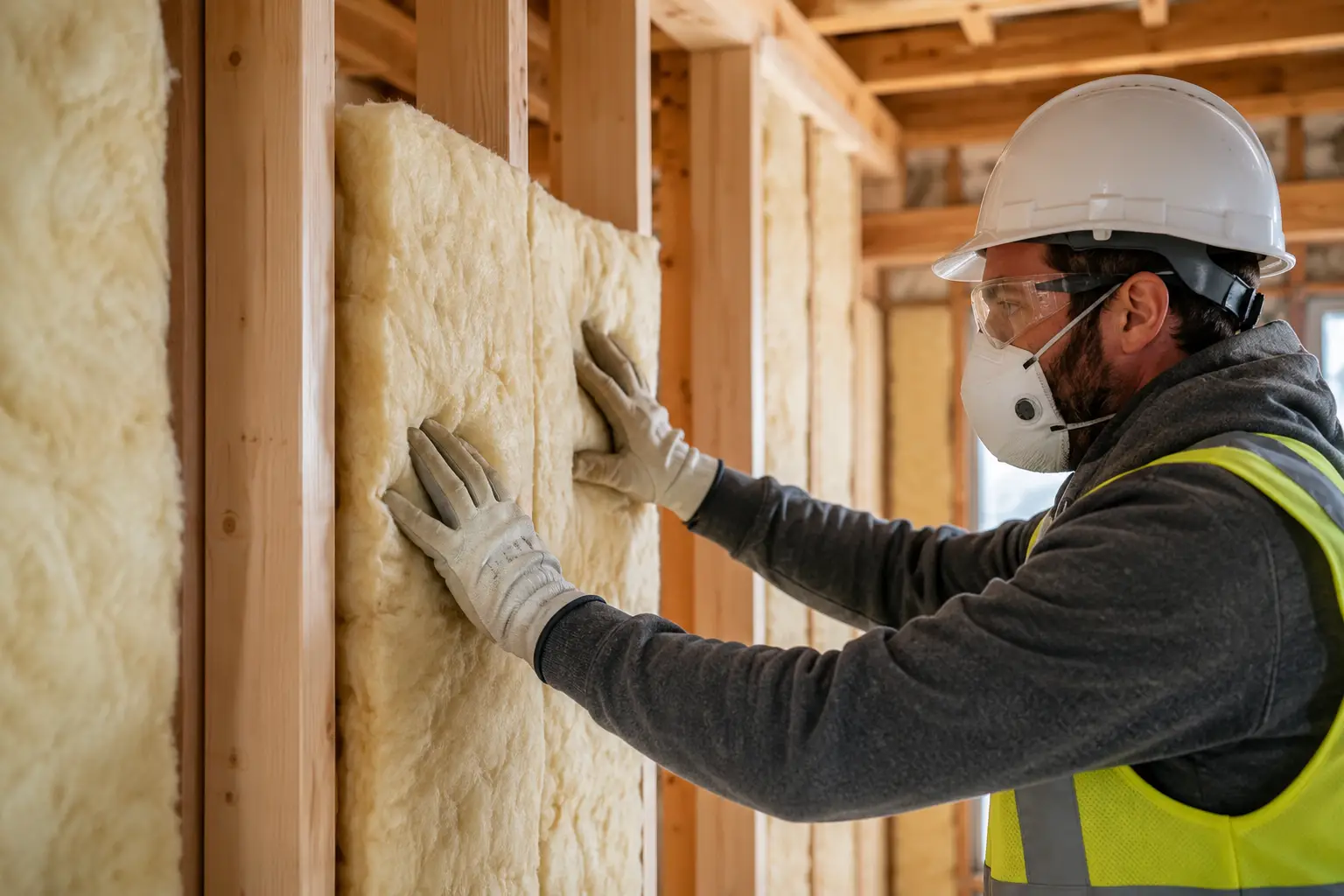
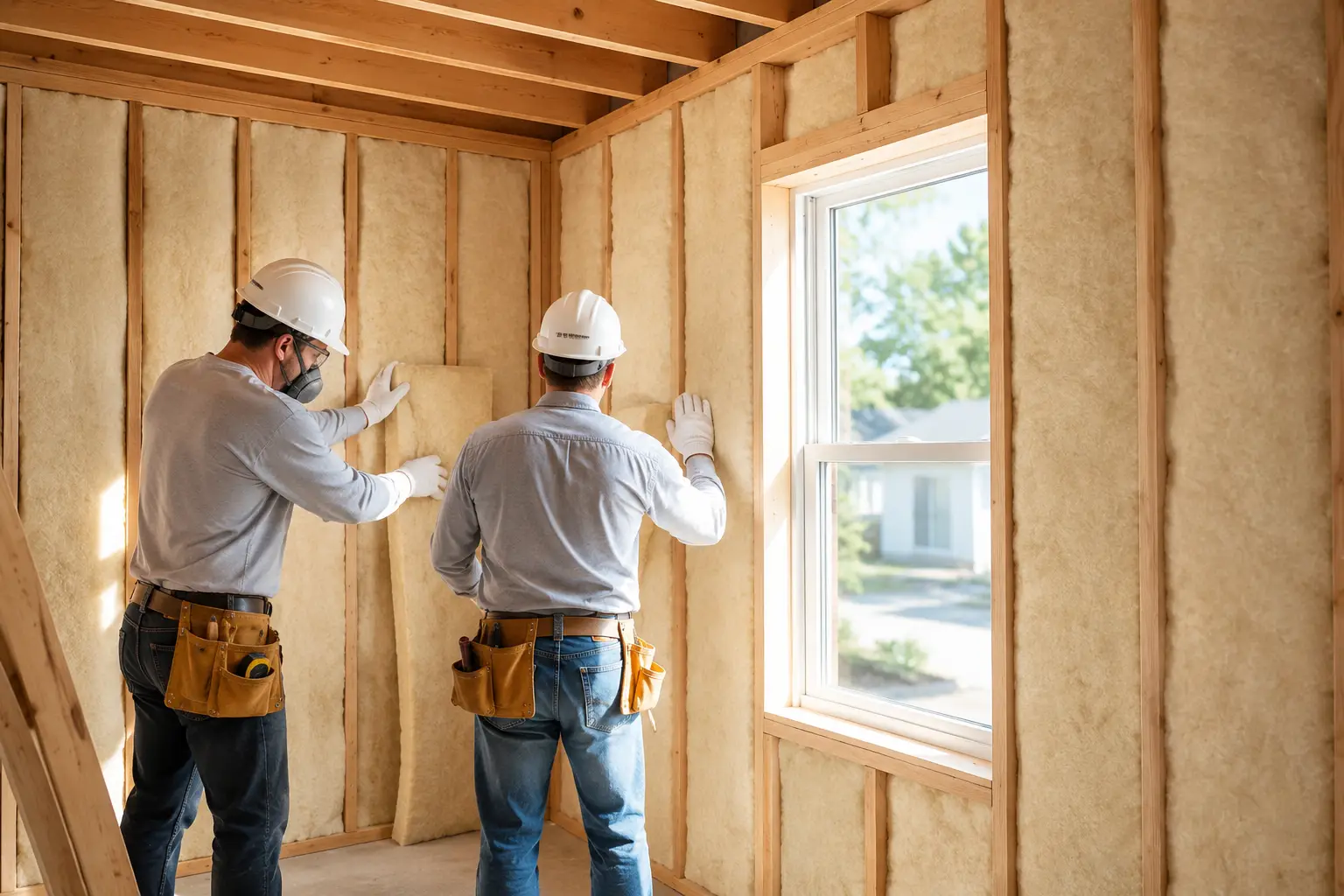
For wall insulation, we consider the wall cavity type, existing material, accessibility, and whether the walls are open during construction or renovation. Exterior walls often need particular attention because they separate conditioned rooms from outdoor temperatures. Missing insulation inside these cavities can contribute to uncomfortable surface temperatures and greater heat movement.
Crawl spaces require another approach. We review floor joists, crawl space walls, exposed pipes, and moisture-affected areas before insulation work begins. Basement insulation may involve foundation walls, rim joists, ceilings, or framed sections depending on how the basement is used.
Our crawl space insulation work remains based on the actual structure rather than applying one method throughout every property. Eagle Mountain Insulation reviews each accessible area separately so insulation placement matches the location, existing conditions, and intended use of the space.
Home renovations often expose insulation conditions homeowners could not see before. An assessment helps determine whether existing material still provides suitable coverage before walls, ceilings, or other finished surfaces are closed again. Our insulation assessment process focuses on accessible cavities, existing insulation condition, missing areas, and spaces affected by planned construction.
The following situations commonly make an assessment useful before insulation replacement or additional installation begins:
Older properties may contain settled, thin, damaged, or incomplete insulation that does not match the current layout or heating needs.
Opening walls or ceilings creates an opportunity to inspect concealed cavities and correct missing insulation before new drywall or finishes are installed.
Attic conversions require careful review of rooflines, knee walls, ceilings, framing cavities, and ventilation paths before the area becomes living space.
Turning a garage into occupied space may require insulation in exterior walls, ceilings, shared walls, and floors based on existing construction.
Eagle Mountain Insulation uses these inspections to determine where residential insulation work is actually needed. We consider the condition and location of existing material so future improvements remain practical for the structure.
We keep insulation contained within the intended work area, helping clients avoid loose fibers, scattered material, and unnecessary cleanup after installation.
We install blown insulation to the planned depth, helping clients avoid shallow coverage that can lower the expected thermal resistance of the insulated area.
We plan insulation services around existing structures, helping clients improve hard-to-reach cavities without creating more disturbance than the insulation work requires.
Insulation life depends on material type, moisture exposure, settling, and physical disturbance. Eagle Mountain Insulation checks these conditions during insulation services and helps clients understand whether the installed material can remain effective or requires attention due to its current condition.
Some loose-fill insulation can settle gradually after installation, which may change its depth over time. Our team considers the insulation type and installed density so clients understand how settling may affect the material and whether future evaluation could become necessary.
Dark areas can appear when moving air carries dust through certain insulation sections, causing particles to collect within the material. We examine these visible changes to help determine whether they relate to insulation condition, airflow through the material, or another insulation-specific concern.
Yes. Compression can reduce the thickness needed for some insulation materials to provide their intended thermal resistance. Our team considers the material type and available cavity space, helping clients avoid insulation that is packed incorrectly and cannot perform as intended.
Insulation commonly shares wall and ceiling cavities with electrical wiring, so correct placement matters. Eagle Mountain Insulation installs material according to the cavity conditions, helping prevent unnecessary empty spaces around wiring that could interrupt insulation coverage within the insulated section.
Insulation does not require frequent checking when it remains undisturbed. However, clients may consider an inspection after roof work, plumbing changes, remodeling, or other activity near insulated spaces. We can assess whether the material has shifted or become damaged.