
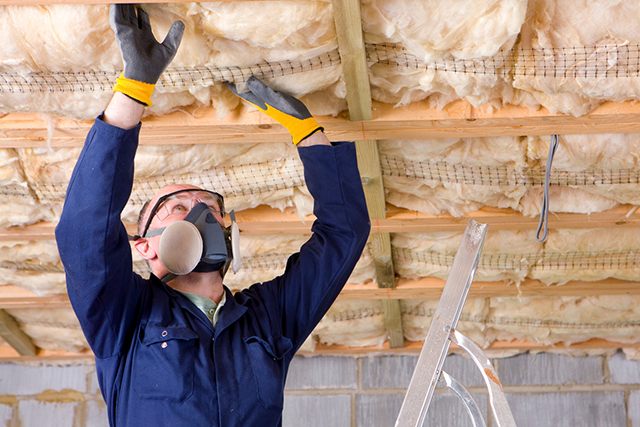
Heat naturally moves from warmer areas toward colder areas. When insulation is thin, missing, or poorly placed, that heat movement becomes harder to control. We limit this transfer through walls, ceilings, floors, attics, and other parts of the building envelope. At Eagle Mountain Insulation, our approach starts by identifying where thermal resistance is weak before determining suitable insulation work. Proper heat-loss insulation also helps indoor spaces maintain a more stable temperature during seasonal changes.
The following problems often show where insulation coverage needs attention:
Warm indoor air moves through poorly insulated building sections, making rooms lose heat faster during colder weather.
Roof and wall areas with limited insulation allow outside heat to enter indoor spaces more easily.
Thermal bridging insulation reduces concentrated heat movement through framing areas that interrupt insulated sections.
Thin, settled, or missing insulation creates sections where heat passes through the building envelope faster.
We examine these conditions together rather than treating every property the same. This helps Eagle Mountain Insulation identify where additional coverage matters and where existing insulation remains suitable. The result is insulation work based on the property’s actual thermal conditions.
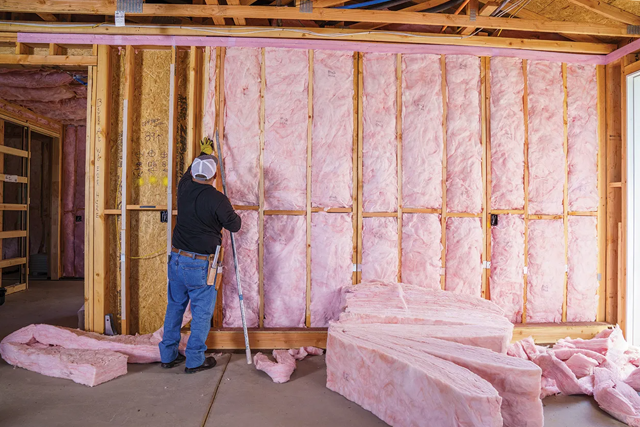
Insulation performs best when it fills the intended space correctly without being crushed, folded, or loosely placed. Our thermal insulation installation process considers the size and shape of each accessible cavity before fitting the material. Cavity depth matters because available space affects insulation thickness and how evenly the material sits between framing members.
Wiring, plumbing lines, junction boxes, and other building components can interrupt open wall or ceiling spaces. We fit cavity insulation around these obstacles instead of forcing material over them. This helps reduce empty pockets that allow heat to pass through exposed sections. Narrow framing spaces also require careful fitting because standard insulation sections may not match their width.
Compression is another installation concern. Packing insulation too tightly into a shallow cavity can change the way some insulation materials perform. We therefore match material placement to the available depth rather than pushing excess material into limited space.
During wall insulation work, adjoining sections also require proper contact. Open edges between insulation pieces can create uninsulated paths inside the wall assembly. Eagle Mountain Insulation checks placement throughout accessible areas so insulation fits the cavity, surrounds building components correctly, and maintains consistent coverage without unnecessary compression.
Long-term insulation performance depends on more than adding material to an open space. The required insulation R-value, available cavity size, material type, and coverage all affect how strongly a building section resists heat movement. Eagle Mountain Insulation considers these factors together because one measurement alone does not explain how an insulated area performs.
The following factors help determine suitable thermal performance across different building sections:
The target R-value reflects the level of thermal resistance needed for a specific building section, climate, construction type, and available insulation space.
Proper insulation thickness helps the selected material reach its intended thermal resistance without leaving sections too shallow, compressed, uneven, or partly uncovered inside.
Density affects how certain insulation materials occupy cavities and resist heat movement, so material selection considers the space, application, installation method, and required performance.
Stable thermal insulation performance depends on continuous coverage because missing sections, thin areas, and poorly filled edges can reduce resistance across the insulated building assembly.
Eagle Mountain Insulation uses these factors to match insulation work with the conditions of each accessible area. Our approach supports consistent thermal resistance across walls, ceilings, floors, and attic spaces while reducing weak sections that affect indoor temperature control.
Our insulation work helps reduce unwanted heat movement so living and working areas feel more consistent throughout daily use.
We address interior walls, ceilings, and floors that feel unusually warm or cold because thermal resistance is weak.
We consider existing insulation before adding new material because different products have different placement requirements.
Strong sun exposure can raise temperatures along exterior walls and roof sections. Eagle Mountain Insulation checks whether insulation in these areas provides enough thermal resistance and recommends thermal insulation services when additional heat control is needed.
Rapid cooling may occur when insulated surfaces cannot slow heat movement for long periods. Our team can review accessible thermal barriers and determine whether certain building sections need added insulation to help indoor temperatures remain stable longer.
Yes. Direct sunlight can increase heat passing through roofs and exterior walls. Suitable thermal insulation slows that transfer, helping sun-facing rooms resist rapid temperature increases and making indoor conditions easier to maintain during warmer parts of the day.
Warm air naturally rises, but weak thermal resistance near upper building sections can increase the difference. We inspect insulation around these areas and identify whether heat entering or leaving through upper surfaces contributes to uncomfortable temperature changes.
Moved insulation can leave sections partly exposed even when most material remains in place. Those openings may allow faster heat transfer. Our team checks disturbed areas and restores suitable coverage where building work has shifted insulation from its intended position.
Room changes can alter which walls, ceilings, or floors separate conditioned and unconditioned spaces. Eagle Mountain Insulation reviews these new boundaries and determines whether existing insulation still supports suitable thermal resistance for the updated building layout.