
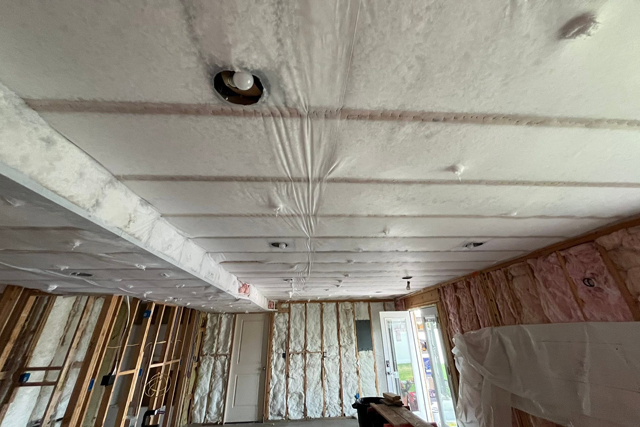
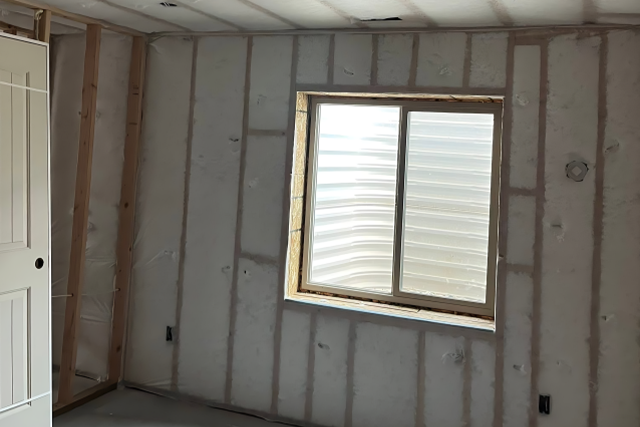
Proper basement insulation helps control heat loss through areas that sit below or close to ground level. Because basement construction differs from upper floors, insulation needs vary across walls, joists, ceilings, and connected spaces. Eagle Mountain Insulation evaluates these areas separately before recommending basement insulation services for the property.
Our approach considers where heat escapes, where outside air enters, and which surfaces require insulation. Proper basement wall insulation also helps limit cold surface temperatures along foundation walls. We inspect each part of the basement so the work reflects the actual structure rather than using the same method everywhere. Our foundation wall insulation work may cover several basement areas.
Here are common basement areas that may require separate insulation attention:
Concrete walls can transfer outdoor temperatures indoors. We assess exposed and framed wall sections to determine where insulation can improve basement temperature control.
Rim and band joists often contain small openings around framing. We inspect these edge areas for insulation gaps and unwanted outside airflow.
Ceiling insulation may help separate an unfinished basement from rooms above. We check joist spaces, existing material, pipes, wiring, and available coverage.
Crawl areas attached to basements can affect nearby temperatures. We review access points, exposed surfaces, insulation condition, and connections with the main basement.
Eagle Mountain Insulation uses these findings to determine which basement areas need attention and which existing sections can remain in place.
Basement conditions need to be reviewed before new insulation covers walls, framing, or joist spaces. Our team begins by examining foundation surfaces for cracks, staining, damp areas, and other signs that may affect basement insulation installation. Insulation should not simply cover an active moisture issue, so visible water concerns need attention before work moves forward.
We also inspect the existing insulation type and its condition. Old fiberglass may sag, compress, become wet, or leave sections uncovered. Other materials may still provide usable coverage in some areas. This review helps us decide whether removal, replacement, or additional basement insulation is appropriate.
Wall framing also affects how insulation fits. We look at stud depth, spacing, concrete contact, finished wall sections, and open cavities. Rim joist accessibility receives separate attention because plumbing lines, ducts, wiring, and framing can limit working space.
Our team also reviews plumbing and electrical locations before placing rim joist insulation or wall materials. Pipes, junction boxes, valves, and other accessible parts should not be blocked without considering future access. These checks allow Eagle Mountain Insulation to plan the work around the basement’s current layout and condition.
Our process keeps each basement area connected to its actual insulation need. Eagle Mountain Insulation first confirms the approved work areas, material condition, access points, and surfaces that require new coverage. We then prepare exposed sections so basement insulation installation can proceed without placing new material over loose debris or damaged insulation. Different parts of a basement may require different methods because concrete walls, framing cavities, ceilings, and joist edges do not perform the same way. Our basement ceiling insulation work also considers pipes, ducts, wiring, and areas that may need future access. Where framing meets the foundation, rim joist insulation receives separate attention.
The main stages of our basement insulation process include:
We identify approved insulation sections, remove materials included in the work scope, and keep important mechanical, plumbing, and electrical access points available throughout installation.
We place the selected insulation within approved wall areas while accounting for framing depth, foundation surfaces, corners, openings, and other structural conditions present.
We work around accessible rim and band joist sections, paying attention to framing joints, utility penetrations, existing gaps, and nearby building components carefully.
We inspect installed areas for missed spaces, loose sections, blocked access points, and coverage differences that require correction before finishing the scheduled basement work.
After installation, our team reviews the completed sections against the planned scope so homeowners know which basement areas received new insulation and which remained unchanged.
We reduce heat loss beneath living areas, helping floors above the basement feel less cold and making nearby rooms more comfortable during colder months.
We focus on small basement air gaps that let cold air in, helping reduce sudden temperature changes near foundation edges and in lower-level rooms.
We improve insulation around basement living areas, so bedrooms, offices, and recreation spaces stay more comfortable instead of feeling noticeably colder than upstairs rooms.
Cold basement temperatures often come from exposed foundation surfaces and weak insulation coverage. Eagle Mountain Insulation checks how the lower level holds heat and uses basement insulation services to reduce cold transfer across the basement structure.
Moisture, compression, gaps, shifting material, and age can reduce insulation performance. Our team checks whether the existing material still covers the intended area correctly and identifies sections where insulation no longer supports stable basement temperatures as intended.
An unfinished basement can still lose heat through foundation surfaces and exposed framing. Insulation helps control that transfer, supports steadier temperatures above, and reduces the effect of cold lower-level surfaces even when the basement is mainly used for storage.
Different rooms can have different foundation exposure, framing layouts, window openings, and insulation coverage. We assess these variations before planning the work so one cold section does not receive the same treatment as an area with fewer temperature concerns.
Yes. Basement insulation can slow heat movement in both directions. During winter, it helps retain indoor warmth. During warmer months, it limits heat transfer through foundation areas, helping the basement maintain a more stable temperature through seasonal weather changes.
Replacement may be more suitable when existing insulation is wet, badly compressed, loose, contaminated, or no longer stays in place. Eagle Mountain Insulation reviews the material condition first so damaged sections are not simply covered with new insulation.