
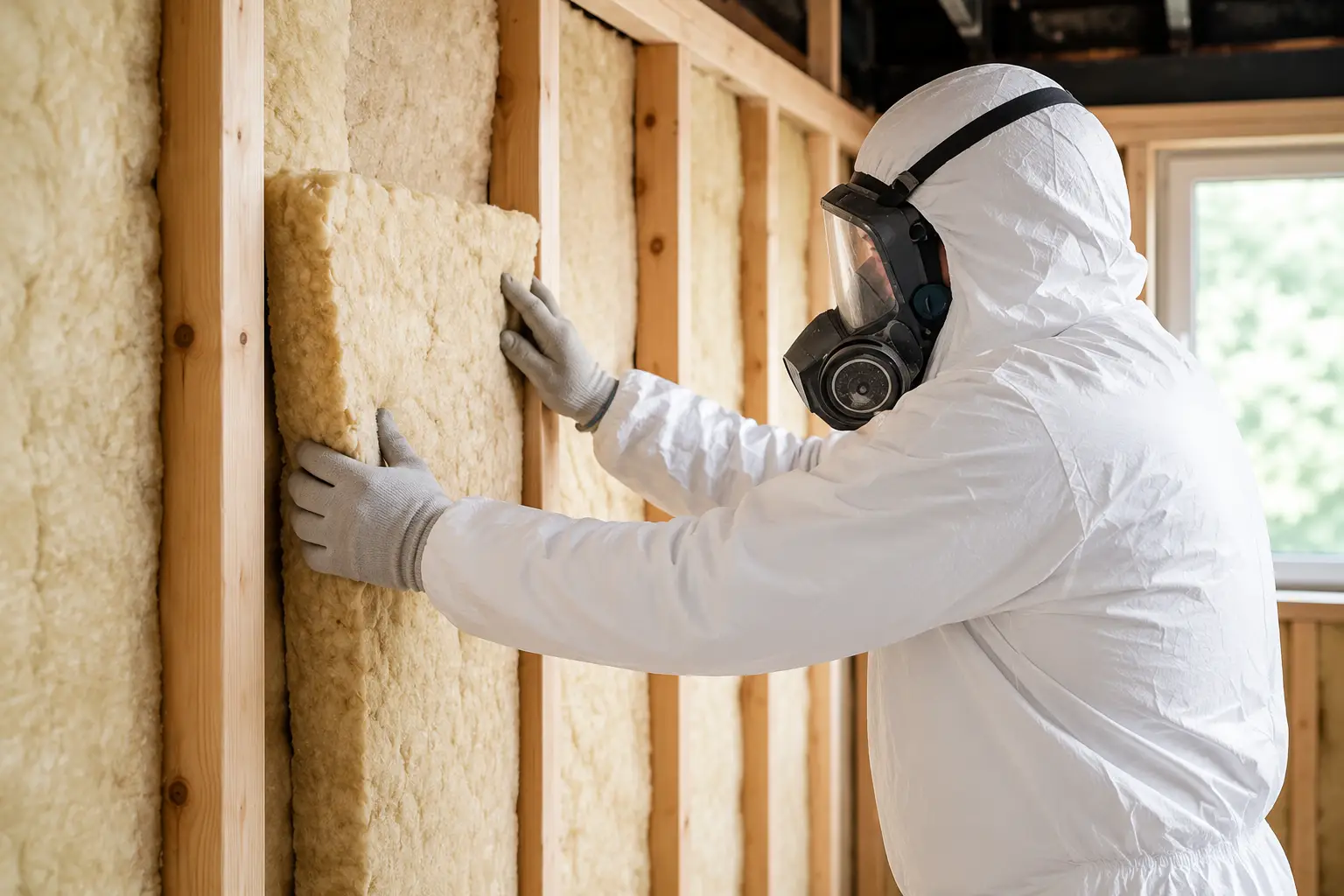

A well-insulated home controls heat movement through walls, ceilings, floors, and attic spaces. When insulation coverage is weak, indoor temperatures can change from one room to another. At Eagle Mountain Insulation, we examine the areas that affect daily indoor comfort before recommending the appropriate home insulation services. Our approach focuses on actual conditions inside the property rather than applying the same insulation plan to every house.
Several comfort problems often point toward insulation coverage that needs attention:
Insufficient insulation allows heat to move differently through separate parts of the house, leaving some rooms noticeably warmer or colder during normal HVAC operation.
Heat can build beneath poorly insulated roof areas, cause upper bedrooms and living spaces to remain warmer than rooms on lower levels.
Limited insulation beneath living areas allows floor surfaces to stay cold, especially where rooms sit directly above an unconditioned crawl space.
Missing or inconsistent wall insulation can leave interior wall surfaces colder and make rooms near the home exterior feel less comfortable.
Our house insulation service focuses on these conditions, so insulation helps maintain steadier temperatures throughout the home.
Insulation work depends heavily on what already exists inside the house. Some properties have enough material in certain areas but still have sections where coverage is too thin. Others have empty cavities, damaged material, or insulation that becomes compressed over time. Eagle Mountain Insulation evaluates these conditions before beginning home insulation installation, so the work addresses the areas that actually require attention.
Our team can add insulation to under-insulated locations where existing coverage does not provide enough thermal resistance. We can fill empty, accessible cavities with suitable material based on their depth, location, and construction. When insulation becomes damaged or no longer stays in place, we assess whether replacement provides the better option. Compressed insulation also requires attention because reduced thickness can limit its ability to slow heat transfer.
In some homes, existing insulation remains usable but needs added coverage. When conditions allow, new material can go over existing insulation without removing material that still performs properly. Our residential insulation installation work considers cavity space, current coverage, access, and surrounding building materials before installation begins. This approach keeps our house insulation installation focused on correcting specific insulation deficiencies rather than replacing usable material without a clear reason.
Weather changes place different demands on a home’s insulation throughout the year. During summer, roof and attic areas receive substantial heat, while winter conditions increase heat movement from warmer indoor spaces toward colder exterior areas. Proper residential insulation helps slow these temperature changes across the building envelope. Eagle Mountain Insulation considers how each area of the home responds throughout different seasons when planning home insulation work.
These seasonal conditions show where insulation performance can affect everyday indoor conditions:
Insulation between attic and living spaces helps limit heat transfer downward when roof surfaces and attic air become much hotter during summer.
Adequate insulation reduces heat movement through ceilings, walls, and floors when indoor temperatures remain much warmer than outdoor winter conditions.
Insulation beneath occupied rooms helps reduce heat movement toward unheated crawl spaces, basements, or other colder areas below the living space.
Insulation near attic-facing ceilings helps reduce heat transfer into upper rooms that commonly experience higher temperatures during warm weather.
Consistent house insulation coverage also supports more predictable HVAC operation during seasonal temperature extremes and helps maintain stable indoor conditions over time.
We check insulation areas for moisture concerns before work begins, helping clients avoid covering damp materials that can reduce insulation performance and create future problems inside the home.
We maintain proper space around heat-producing fixtures and other sensitive areas, reducing the risk of insulation being placed where clearance requirements matter inside residential spaces.
We keep required attic ventilation paths clear during insulation work, helping homeowners avoid blocked airflow that may contribute to moisture buildup or poor attic conditions over time.
Wet insulation can lose part of its insulating ability and may hold moisture against nearby materials. Our team checks the affected section, determines how much material is involved, and advises whether drying or removal makes sense.
Not every recessed light allows direct contact with insulation. The fixture rating matters. Eagle Mountain Insulation checks the area before covering nearby spaces and maintains needed clearance when a fixture is not designed for contact with insulation material.
Blocked vents can limit airflow through the attic and may contribute to moisture concerns. Proper insulation placement keeps needed ventilation routes open while covering the intended thermal areas, helping the attic function as designed.
Older homes may contain vermiculite insulation, which should not be disturbed without proper assessment. Our residential insulation services consider existing materials before work starts, allowing homeowners to address possible safety concerns before adding or changing insulation.
Electrical conditions matter before adding insulation. Exposed wiring, open junction boxes, or older wiring systems may require attention first. Eagle Mountain Insulation reviews accessible insulation areas so material is not placed around conditions that need separate correction.
A vapor barrier may be needed depending on climate, wall design, location, and existing construction. Its purpose is to control moisture movement. Our team considers the home assembly before deciding how insulation should work with existing moisture-control layers.