
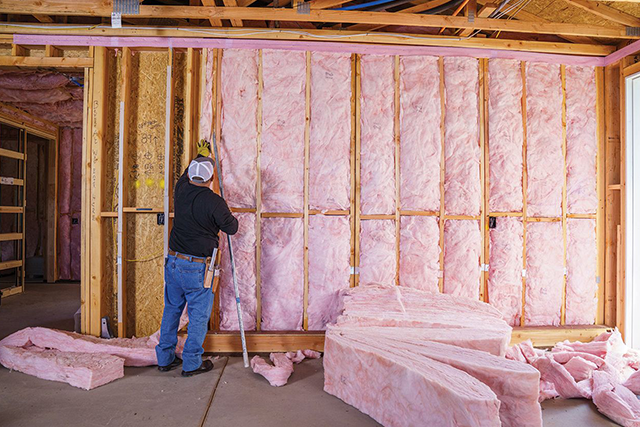

Fiberglass insulation comes in several forms, and each option works differently based on the space being insulated. Choosing the correct material helps fill framing cavities properly and supports consistent thermal resistance. Fiberglass insulation may involve batts, rolls, loose-fill material, or faced products depending on the structure. Eagle Mountain Insulation reviews the available space, framing size, and existing insulation before deciding which material fits the job. Our approach keeps the material choice tied to the actual area, rather than using one fiberglass product throughout the entire property.
Here are common fiberglass material options we work with for different insulation needs:
We use pre-cut batts in standard wall, floor, and ceiling cavities where the framing dimensions allow each section to fit correctly without unnecessary compression.
Rolls work well across larger areas where longer pieces reduce frequent joints. Our team cuts the material around framing, wiring, pipes, and other fixed features.
We use loose-fill fiberglass insulation mainly in open attic areas where blown material can cover uneven spaces and reach around framing or existing insulation.
Faced products include an attached facing that may serve specific moisture-control or installation needs when the building design and local requirements call for its use.
Eagle Mountain Insulation considers cavity depth, access, and required insulation levels before completing fiberglass batt insulation work. This helps us place the correct fiberglass form in each suitable part of the property.
A proper fiberglass insulation installation depends on how well the material fits the building cavity. We begin by reviewing existing insulation, framing, and accessible spaces. This allows us to identify missing material, damaged sections, and areas that need new insulation. We then measure wall studs, ceiling joists, floor joists, or rafters to determine the required width and thickness.
Our team selects the fiberglass product according to the dimensions and intended location. During fiberglass batt installation, we cut sections where pipes, wires, electrical boxes, blocking, or other building components interrupt the cavity. Instead of forcing material behind these features, we fit fiberglass around them so the cavity receives more even coverage.
We also avoid unnecessary compression because tightly packed fiberglass may not perform according to its intended rating. Each batt needs enough room to maintain its normal thickness. Where smaller framing spaces remain, we cut suitable pieces rather than leaving those areas empty.
For attic work, fiberglass attic insulation may require a different installation method. Existing conditions, attic access, and insulation depth help determine whether batts, rolls, or loose-fill material are appropriate. We check the completed area for visible gaps, poorly fitted sections, and displaced material before finishing.
Fiberglass can continue performing for many years when it remains correctly installed and in suitable condition. However, physical changes to the material can reduce how well an insulated wall, floor, ceiling, or attic resists heat flow. Fiberglass insulation replacement may become necessary when existing material no longer fills the intended space correctly. Eagle Mountain Insulation checks the condition of existing fiberglass before deciding whether certain sections can remain or require attention.
Here are common problems that can affect fiberglass insulation performance:
Fiberglass that has been pressed into a cavity may lose some of its intended thickness, which can affect the thermal resistance expected from that insulation layer.
Spaces between batts can leave sections of framing cavities without proper insulation coverage, especially around corners, narrow framing sections, and building components.
Batts that are too narrow may leave exposed spaces, while oversized material may bunch or compress instead of filling the cavity in the intended position.
Repairs, storage activity, electrical work, or other changes can move attic fiberglass from its original location and leave areas with reduced or uneven coverage.
Our fiberglass insulation services include checking these conditions before adding new material. Where appropriate, our team corrects affected sections, so the installed fiberglass fits the available space and remains properly positioned.
We use fiberglass insulation to reduce sound transfer through selected walls and ceilings, helping clients enjoy calmer bedrooms, offices, and shared living areas.
We install fiberglass insulation made from noncombustible glass fibers, giving clients added material-level fire resistance within suitable wall, ceilings, and attic assemblies.
We use fiberglass where it fits the property and project goals, helping clients manage insulation costs without paying for materials their building does not need.
Fiberglass contains very small glass fibers that may irritate exposed skin during handling. Eagle Mountain Insulation uses proper clothing and protective equipment while working. We also keep fiberglass contained in the work area to reduce unnecessary contact.
Pest waste can make fiberglass unsafe to keep, especially when contamination spreads across attic insulation. In those cases, removal may be needed before installing new material. Our team checks affected fiberglass before recommending the next step.
Yes, fiberglass can absorb some sound traveling through wall and ceiling cavities. It does not soundproof a room completely, but properly installed material can reduce normal household noise between bedrooms, offices, bathrooms, and other shared spaces.
After a roof leak, inspect fiberglass once the source of moisture is addressed. Wet areas, stained material, or insulation that no longer sits correctly may need attention. We check the affected section before adding new fiberglass.
Fiberglass placement around recessed lighting depends on the fixture rating and required clearance. Some fixtures allow insulation contact, while others need open space around them. Our fiberglass insulation services account for these conditions during installation.
Dark marks can appear when moving air carries dust through or across fiberglass over time. The staining may point to air movement near gaps or openings. Eagle Mountain Insulation checks the affected fiberglass before deciding whether replacement is needed.