
Eagle Mountain Insulation
Eagle Mountain continues to grow across Cedar Valley, bringing new construction alongside established homes, finished basements, additions, and remodeled spaces. Each property can have different insulation needs depending on its construction, existing material, and where coverage is thin, disturbed, or difficult to access.
Eagle Mountain Insulation provides insulation services in Eagle Mountain, UT, for homeowners, builders, and commercial property owners. We install fiberglass, blown-in insulation, and other insulation systems in attics, walls, ceilings, basements, and framed spaces. We inspect the work area before recommending a solution so the insulation plan fits the property instead of using the same approach everywhere.
Call (801) 879-1320 to request a free insulation quote in Eagle Mountain.
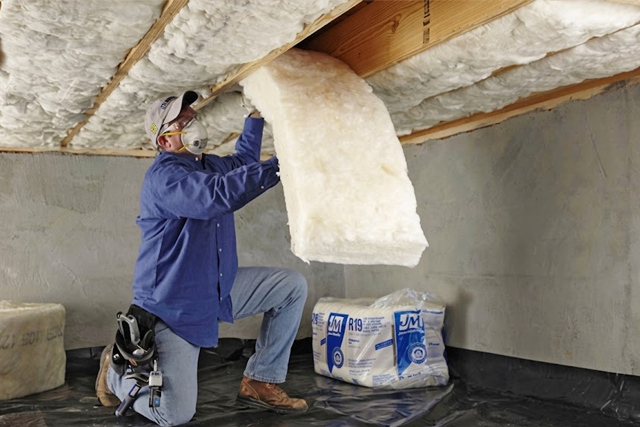
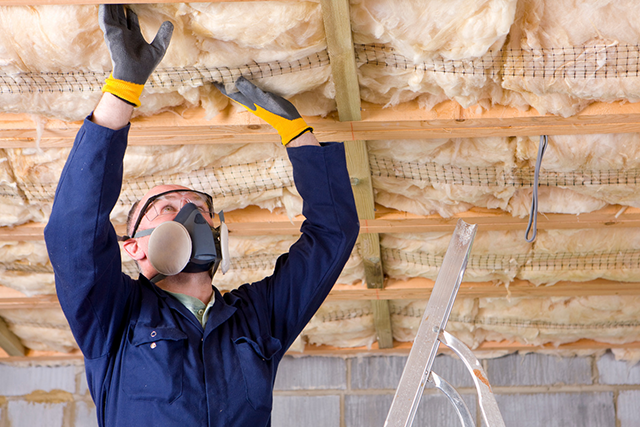
Insulation helps slow heat transfer between conditioned rooms and surrounding spaces. Its performance depends on more than the type of material used. Placement, coverage, depth, cavity size, and gaps can all affect how well an insulated area performs.
As an insulation contractor in Eagle Mountain, UT, we work on both new and existing buildings. Open framing in new construction provides different installation options than a finished home where insulation is already in place.
Eagle Mountain’s continued residential growth also means projects can range from full new-home insulation to targeted improvements in an attic, basement, addition, or remodeled room.
Insulation problems do not always affect an entire house equally. We look at the areas most likely to influence the rooms or spaces involved.
Insulation problems do not always affect an entire house equally. We look at the areas most likely to influence the rooms or spaces involved.
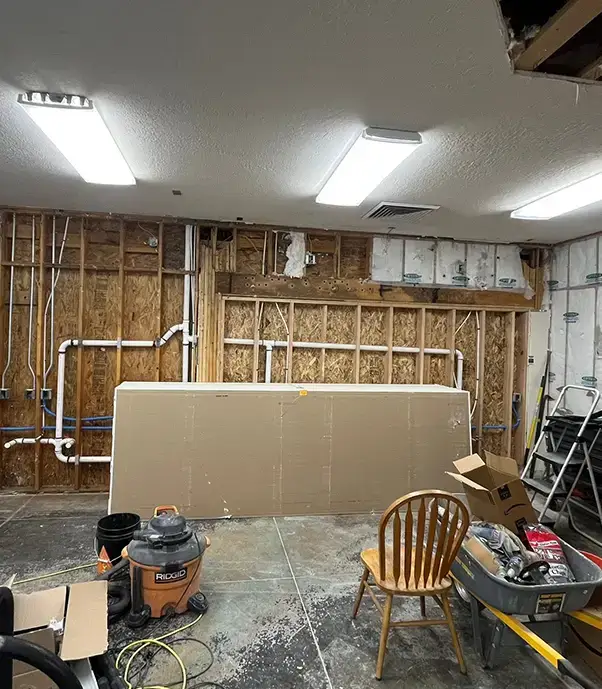
Attics are a major part of a home’s thermal boundary. Existing material can become uneven, compressed, displaced, or leave gaps around framing and other features.
Depending on access and current conditions, an Eagle Mountain attic may be insulated with fiberglass or blown-in material to improve coverage where needed.
Exterior Walls
Exterior walls separate indoor living areas from outdoor conditions. Insulation needs to fill the intended cavity correctly without unnecessary gaps or compression.
Installation is generally easier while framing is open. Existing finished walls require a different assessment because access is more limited.
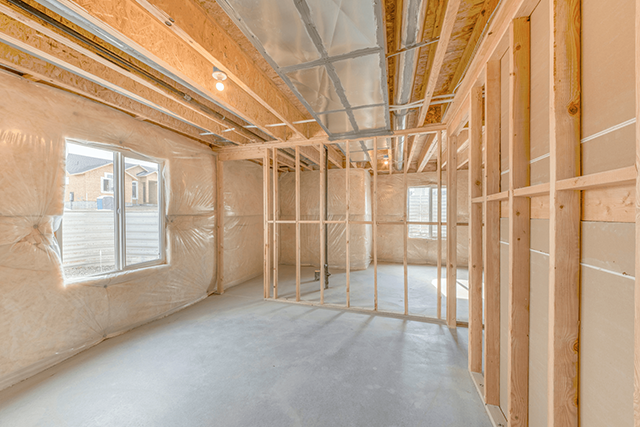
Basements are common places to evaluate insulation when a space is being finished, remodeled, or converted into regularly used living space.
Walls, ceilings, framed cavities, and areas around the connection between the foundation and framing may need attention depending on the construction.
Different materials suit different spaces. We consider framing, access, existing insulation, and the coverage needed before choosing an installation method.
Fiberglass is available in batts, rolls, and loose-fill applications. It can be used in attics, walls, ceilings, and other properly sized framed areas.
Correct installation matters. Material that is compressed, poorly fitted, or surrounded by gaps may not provide the intended coverage.
Blown-in insulation uses loose-fill material that can be distributed across attic floors and irregular spaces. It can be useful when additional coverage is needed around framing or areas that are harder to reach with batt insulation.
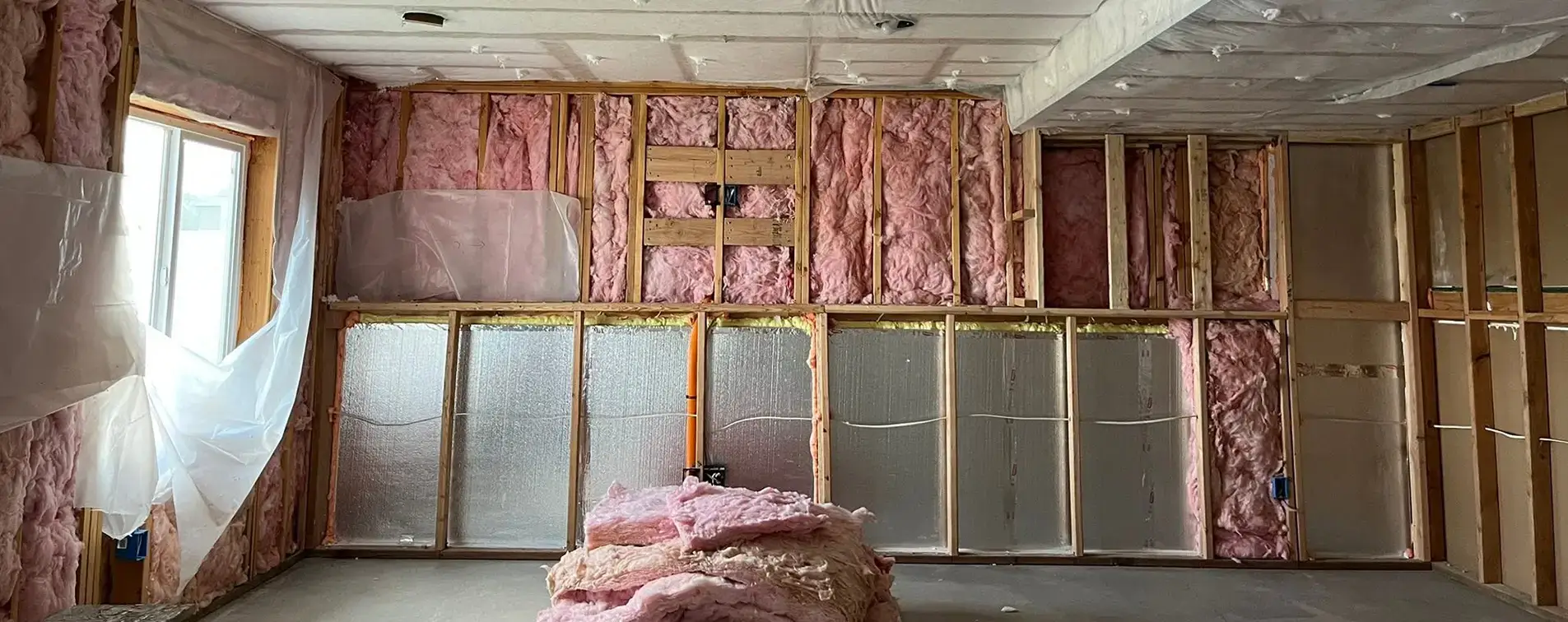
A blown-in blanket system may be used in suitable open wall cavities and framed construction. Material is installed throughout the cavity before wall finishes are added, helping create consistent coverage around framing.
Eagle Mountain sits within Cedar Valley in northwest Utah County, where continued development has created a large supply of relatively newer housing alongside properties already being remodeled, expanded, or updated.
For new construction, insulation can be planned while exterior walls, ceilings, and other framing remain open. This makes it easier to inspect cavities and establish coverage before drywall and finishes are installed.
Existing homes need a different approach. We first look at what is already present. Insulation does not automatically need to be removed because it is older. Material that remains clean, dry, properly placed, and useful may be able to stay while specific weak areas receive attention.
Insulation is often hidden, so homeowners may notice a comfort issue before seeing the cause. It may be worth scheduling an inspection when:
One room stays warmer or colder than nearby rooms.
Upper-level rooms become difficult to keep comfortable.
Visible attic insulation has gaps or noticeably uneven coverage.
Fiberglass is compressed, displaced, or missing in accessible areas.
Exterior-facing rooms are harder to maintain at a comfortable temperature.
Remodeling exposes wall or ceiling cavities with little insulation.
An addition or finished basement needs insulation before surfaces are closed.
These signs do not mean the entire home needs to be reinsulated. A targeted inspection can show which areas actually need work.
Our residential insulation in Eagle Mountain, UT can include attics, exterior walls, basements, additions, remodels, and new construction.
Commercial properties may have different cavity sizes, framing systems, layouts, and access conditions. We review the structure and planned use of the space before recommending an insulation system.
Whether the project involves a home near newer development in Eagle Mountain or another type of building within the city, the goal is the same: install the appropriate material with consistent coverage in the areas that need it.
We do not assume every building needs the same insulation or the same amount of work. The process starts with the property itself.
A typical project includes:
Inspect the area to identify existing, thin, missing, or disturbed insulation.
Review the space for access, framing, cavity conditions, and current material.
Choose the insulation method that fits the application.
Install the material according to the planned coverage.
Check the completed area for consistent placement and obvious gaps.
This approach helps us focus the work where insulation is actually needed rather than recommending unnecessary changes throughout the property.
It can. A newer home should not automatically be assumed to have an insulation problem. However, remodeling, disturbed material, incomplete coverage, or comfort problems in specific rooms may justify an inspection.
Both can work in suitable attic applications. The better choice depends on existing material, attic access, framing, current coverage, and the areas that need additional insulation.
Sometimes. The available method depends on wall construction, cavity conditions, existing insulation, and access. Finished walls need to be evaluated differently from open framing.
No. Existing insulation may be able to remain when it is dry, clean, correctly positioned, and still useful. Damaged or unsuitable material may require removal or another solution.
Yes. Eagle Mountain Insulation works on residential and commercial insulation projects. We review the building, work area, framing, and access before selecting an installation method.
Call (801) 879-1320 or use the form to request a free insulation quote in Eagle Mountain.
Phone: (801) 879-1320
Email: eaglemountaininsulation@gmail.com