
You feel attic insulation problems in the rooms below long before you ever see them above the ceiling. In Eagle Mountain, hot, dry summer days can push attic temperatures sharply upward, while freezing winter weather pulls heat from living areas below. When insulation is thin, compressed, settled, or uneven around eaves and attic access points, that temperature transfer becomes harder to control. Bedrooms can feel stuffy by late afternoon, upstairs spaces cool too quickly after sunset, and heating or cooling equipment may run longer to hold the thermostat setting. Those daily swings can make the home less comfortable and send energy use in the wrong direction. Our attic insulation service focuses on restoring consistent coverage and the right insulation depth for the attic space. From homes near Cory Wride Memorial Park to growing neighborhoods around Pony Express Parkway, we help homeowners reduce unwanted heat movement through the ceiling and create steadier indoor temperatures through Utah County’s demanding seasonal changes. That matters especially in a fast-growing city where households use every room.
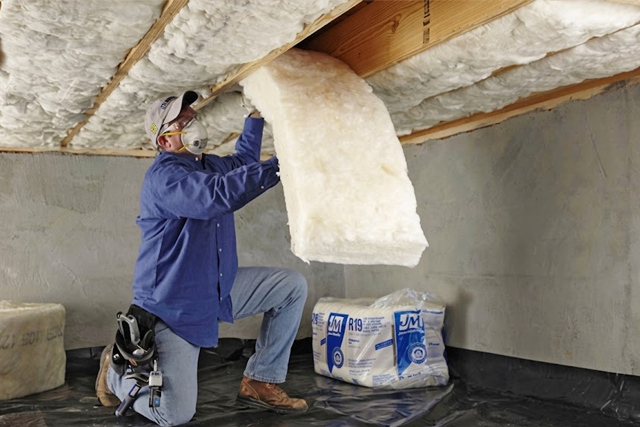
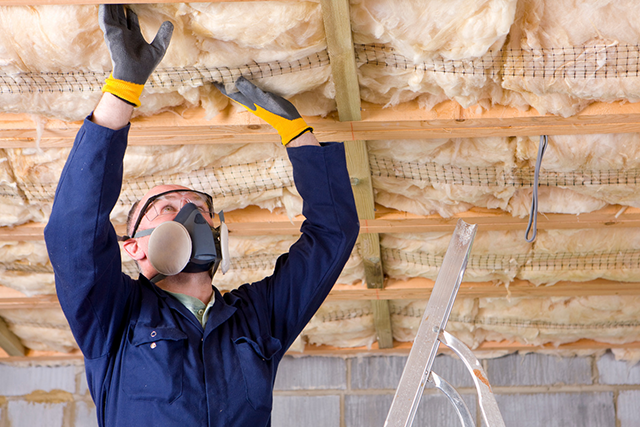
A good attic insulation job starts with what is already sitting between the ceiling and the roof. We check insulation type, depth, density, and coverage across the attic floor, paying close attention to low spots near framing, eaves, and the access opening. Fiberglass batts, blown-in fiberglass, and cellulose each perform differently when they are compressed, disturbed, or spread too thin. Those weak areas reduce the effective R-value and leave parts of the ceiling with less thermal resistance than the rest. Eagle Mountain’s rapid growth means local attics range from established homes in The Ranches to newer subdivisions near the city’s Pony Express Trail segment. Age alone does not tell the full story, so we base attic insulation work on the condition we find overhead. We add, replace, or rectify insulation where needed to create even coverage across the attic floor. You get a more dependable thermal barrier, fewer hot or cold ceiling areas, and a home that holds its indoor temperature with less daily strain. That consistency matters through mornings, evenings, weekends, and seasonal shifts.