
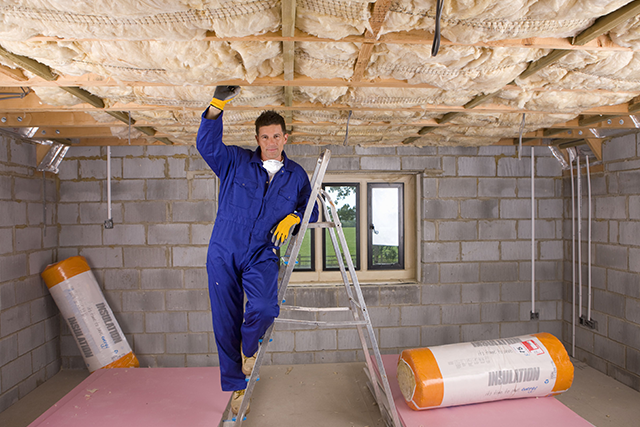
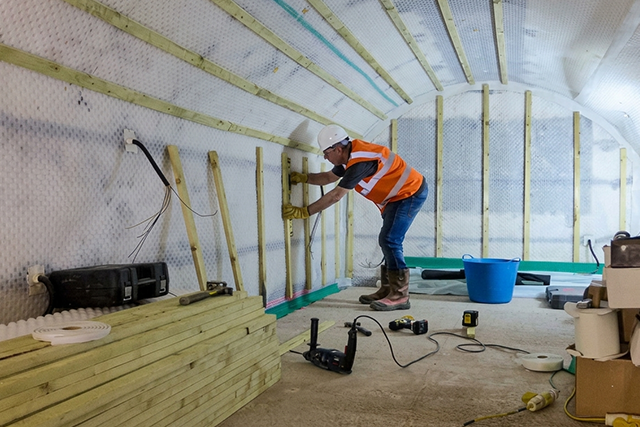
Commercial buildings in Sandy work through sharp seasonal swings, from hot summer afternoons to freezing winter mornings. That constant change puts pressure on walls, rooflines, mechanical rooms, and large open interiors. Eagle Mountain Insulation provides commercial insulation to help offices, retail spaces, warehouses, and other business properties hold indoor temperatures more steadily. Around busy areas near America First Field, the Mountain America Performing Arts Center, and the South Towne district, property owners need interiors that stay usable without forcing heating and cooling equipment to run harder than necessary. Weak insulation can show up as hot and cold zones, rising utility costs, uncomfortable work areas, and temperature drift near exterior walls or ceilings. We assess where thermal loss is happening, then install insulation that supports the building’s layout and daily use. The result is a more stable indoor environment, lower energy waste, and fewer comfort complaints from staff, tenants, and visitors across demanding workdays and long business hours.
Commercial insulation becomes necessary when a building’s thermal barrier no longer matches how the property is used. High ceilings, broad roof areas, loading zones, shared walls, metal framing, and long operating hours can all increase heat transfer. Sandy’s growing commercial areas, including Downtown Sandy and the South Towne corridor, include buildings with very different footprints, so insulation needs to suit the structure rather than follow a one-size approach. Eagle Mountain Insulation helps address drafty work zones, uneven room temperatures, overheated upper levels, cold perimeter spaces, and HVAC systems that cycle too often. These issues can affect employee focus, tenant comfort, stored goods, and monthly operating costs. Our commercial insulation work targets the parts of the building envelope that allow unwanted heat movement, helping the property maintain steadier conditions through Sandy’s changing seasons. You get a building that is easier to manage, more comfortable to occupy, and better prepared for regular business activity while reducing needless energy loss during daily operation.