
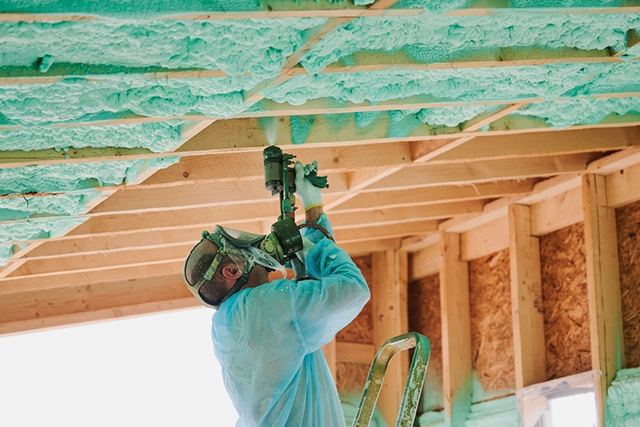
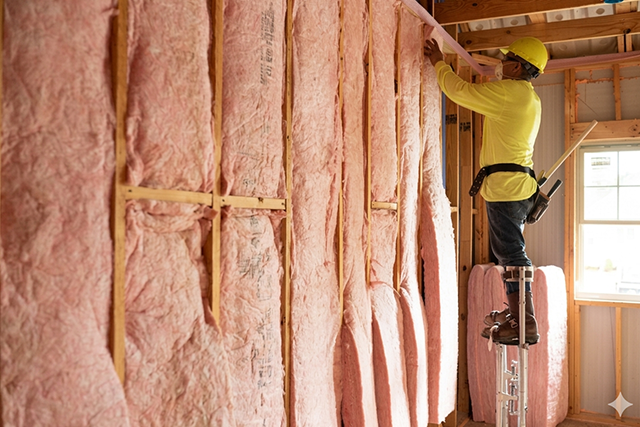
South Jordan homes deal with sharp seasonal temperature swings, from freezing winter mornings to hot, dry summer afternoons. When the thermal barrier is thin, uneven, compressed, or missing in key areas, indoor temperatures can drift fast, and heating or cooling equipment has to run longer. That shows up as chilly rooms, overheated upper levels, cold wall surfaces, and energy bills that feel heavier than they should. Eagle Mountain Insulation installs thermal insulation to slow heat movement through the building envelope and help rooms hold a steadier temperature. We focus on proper coverage, suitable R-values, and consistent insulation around areas where heat commonly escapes or enters. For homeowners near Oquirrh Lake, Daybreak, and the growing west side of South Jordan, stronger thermal performance fits a local preference for energy-conscious homes. Daybreak has long promoted verified energy efficiency, making insulation performance especially relevant across this fast-growing part of the city through every season without wasting conditioned indoor air.
Thermal insulation becomes necessary when heat passes too easily through ceilings, walls, floors, and other parts of the home’s envelope. In South Jordan, that weakness can make one bedroom feel cold while another stays warm, create uncomfortable surface temperatures, and cause repeated thermostat adjustments throughout the day. We install insulation to reduce unwanted heat transfer and support more even indoor conditions from room to room. The goal is simple: keep heated air where you need it during Utah winters and slow outdoor heat from moving inside during summer. Around Daybreak’s newer neighborhoods and homes near South Jordan City Park, energy performance is becoming a stronger part of how residents think about long-term comfort and operating costs. Newer Daybreak housing has continued to emphasize insulation, air sealing, and verified energy standards. Eagle Mountain Insulation brings that same practical focus to each thermal insulation project, with material placement and coverage built around the property’s actual thermal needs during changing Wasatch Front seasons.