
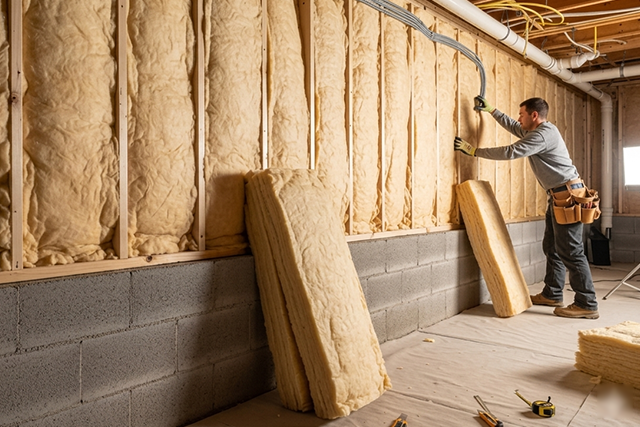
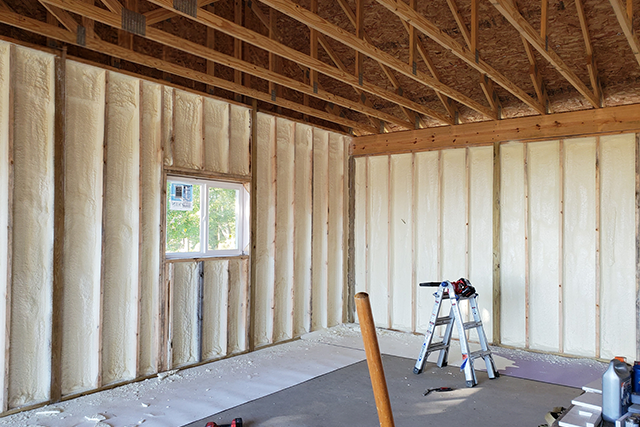
A room can feel fine in the afternoon, then turn chilly after sunset because insulation inside wall cavities has settled, thinned, or was never installed evenly. That is where existing wall insulation within Riverton, UT becomes useful. We work within finished walls to improve thermal resistance without treating the house like new construction. In neighborhoods near Riverton City Park, the Jordan River Trail, and streets around 12600 South, many homes have walls that may no longer hold indoor temperatures as steadily as owners expect. Utah’s hot summers, cold winters, and sharp temperature swings can expose weak wall sections fast. You may notice rooms that heat up sooner, exterior walls that feel cold, or heating and cooling systems running longer than they should. Eagle Mountain Insulation focuses on filling those hidden gaps so your living spaces hold temperature more consistently. The result is a home that feels steadier from room to room and wastes less conditioned air through under-insulated wall cavities.
Finished walls don’t have to stay thermally weak simply because drywall is already in place. Existing wall insulation is especially relevant when wall cavities contain missing sections, compressed material, or low insulation levels that let indoor heat move through exterior walls too easily. Around Homestead Park and Riverton’s long-established residential areas, homeowners often want better comfort without opening large sections of finished wall. We inspect the wall condition, identify practical access points, and place insulation into the cavity so empty areas receive coverage with limited disturbance to the finished surface. This matters when one bedroom stays warmer than the hallway, a home office feels drafty beside an exterior wall, or utility use climbs during Riverton’s hottest and coldest stretches. Better-filled wall cavities can slow heat transfer, help rooms maintain set temperatures, and reduce the strain caused by frequent heating or cooling cycles. For local homeowners who value keeping finished spaces intact, this approach makes upgrading wall performance practical and focused.