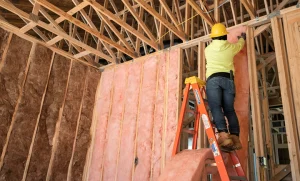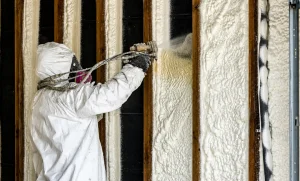

A home should stay comfortable without making your heating or cooling system work all day. If some rooms feel freezing while others feel warm, or your energy bills keep climbing, weak insulation may be part of the problem.
Your home may need better insulation if you notice uneven room temperatures, drafts, rising energy bills, cold floors, or ice dams. Thin, damaged, or poorly placed insulation can let heat move through your home’s walls, attic, floors, and basement more easily.
Below, we will cover the most common warning signs, what each one may mean, and when it makes sense to have your insulation checked.
Common Signs Your Home Needs New Insulation
Insulation slows the movement of heat between your home and the outdoors. When it cannot do its job well, your home often gives you clues.
ENERGY STAR lists drafts, uneven temperatures, high heating or cooling bills, and winter ice dams among common signs of insulation or air-sealing problems.
Rising Energy Bills That Point to Poor Insulation
A higher bill does not automatically mean your insulation is bad. Energy prices, weather, equipment problems, and changes in how you use your home can also raise costs.
However, poor insulation can make your furnace or air conditioner run longer to maintain your desired temperature. Heat escapes more easily during winter, while outdoor heat enters faster during summer.
Quick Tip: Compare bills from the same months in different years. If your energy use keeps rising without a clear reason, it is worth checking your insulation.
The U.S. Department of Energy explains that insulation and air sealing can reduce wasted energy while helping homes stay warmer in winter and cooler in summer.
Some Rooms Feel Hotter or Colder
Walk through your home on a very hot or cold day. Does one bedroom feel completely different from the hallway or living room?
Large temperature differences can point toward missing, thin, shifted, or damaged insulation. Exterior walls, attic spaces, rooms over garages, and floors above crawl spaces are common areas to check.
Of course, insulation is not always the only cause. Duct problems, blocked vents, windows, and air leaks can create similar symptoms.
You Feel Drafts Around the House
You should not feel a chilly breeze while sitting inside with the windows closed. Your house shouldn’t provide surprise indoor weather.
Drafts usually indicate unwanted air leakage rather than insulation alone. However, air sealing and insulation work together to control indoor temperatures.
ENERGY STAR notes that many important air leaks are hidden in attics and basements, not just around windows and doors.
Adding insulation without addressing major air leaks may not solve the whole problem. Air sealing is often done before installing new attic insulation.
Your Walls, Ceilings, or Floors Feel Cold
Touch an interior wall, then compare it with an exterior wall during cold weather. A big temperature difference may suggest that the exterior wall needs attention.
Cold floors can also be a clue, especially above an unheated basement or crawl space. ENERGY STAR lists cold floors and uneven room temperatures as possible signs of basement or crawl-space insulation problems.
Here is a simple way to connect common symptoms with areas worth checking:
| What You Notice | Area Worth Checking | Possible Issue |
| Hot upstairs rooms | Attic | Low or uneven insulation |
| Cold floors | Basement or crawl space | Missing or weak insulation |
| Drafty rooms | Attic, basement, windows, doors | Air leakage |
| Uneven temperatures | Walls, attic, ducts | Insulation or duct issue |
| Ice dams | Attic and roof area | Heat escaping into attic |
| High energy use | Whole home | Heat loss or air leakage |
A symptom does not prove where the problem is. However, it gives you a useful starting point.
HVAC System Running Longer To Maintain Comfort
Your heating and cooling system should cycle as needed. If it seems to run almost constantly during normal weather, your home may be losing conditioned air too quickly.
Weak insulation can make indoor temperatures change faster. As a result, your HVAC system must keep working to replace the heat your home loses or remove heat entering from outside.
Before blaming insulation, check the air filter, thermostat, vents, and HVAC condition. Several problems can cause long run times.
Ice Dams on the Roof During Cold Winter Weather
Ice dams form along roof edges when snow melts higher on the roof and freezes again near colder edges. Heat escaping into the attic can contribute to this problem.
Poor attic insulation and air leakage may allow indoor heat to warm parts of the roof. ENERGY STAR identifies winter ice dams as one possible sign that attic insulation and air sealing should be checked.
Ice dams can have several causes. Do not assume adding insulation alone will fix them without checking attic air leaks, ventilation, and roof conditions.
Attic Insulation That Appears Thin or Uneven
If you can safely look inside your attic, check whether the insulation covers the attic floor evenly. Large bare spots, compressed areas, or thin coverage may reduce its performance.
Older homes may also have less attic insulation than current recommendations. The amount needed depends on your climate, insulation type, and existing insulation.
ENERGY STAR provides guidance for checking insulation levels and deciding whether additional attic insulation may help.
Dark or Damp Spots in Existing Attic Insulation
Dark marks on insulation can sometimes show where dusty indoor air has moved through gaps. Water stains or frost may also point toward air leakage and moisture movement.
ENERGY STAR explains that darkened attic insulation can result from dusty air passing through hidden openings. Frost or staining may appear when warm, moist indoor air reaches colder attic areas.
Dirty-looking insulation does not always need replacement. Identify the source of air or moisture movement before deciding what work is needed.
How To Confirm Insulation Is Causing the Discomfort
Start with what you can observe. Note which rooms feel uncomfortable, where drafts appear, how long your HVAC runs, and whether energy use has changed.
Next, inspect accessible attic or basement areas without disturbing electrical wiring, vents, or other equipment. A professional home energy assessment can also help separate insulation problems from duct leaks, window leaks, HVAC issues, and other causes.
ENERGY STAR recommends considering a home energy professional when you want a more complete assessment or when safety concerns may be involved.
Conclusion
So, what are the signs your home needs better insulation? Watch for uneven temperatures, high energy use, drafts, cold surfaces, long HVAC cycles, ice dams, and thin attic insulation.
One sign alone may have another cause. However, several signs appearing together make an insulation inspection a smart next step. Eagle Mountain Insulation can help identify areas where insulation may be missing, thin, damaged, or no longer doing its job properly.