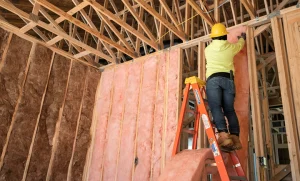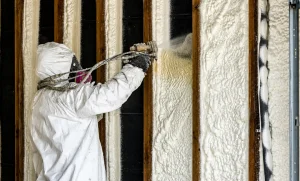
If one room feels like a freezer while another feels like a toaster, heat may be moving through your home too easily. Fiberglass insulation helps slow that movement through walls, ceilings, floors, and attic spaces, helping indoor temperatures stay more stable.
Success Box: Fiberglass insulation helps control indoor temperatures by slowing heat transfer between your home and the outdoors. In winter, it helps keep indoor heat from escaping. In summer, it slows outdoor heat from entering. This can help your heating and cooling system maintain a steadier temperature.
Below, you will learn how fiberglass works, why R-value matters, where it helps most, and why correct installation and air sealing are important.
How Fiberglass Insulation Slows Heat Transfer
Heat naturally moves from warmer areas toward cooler areas. During winter, warm indoor heat tries to move outside. During summer, outdoor heat tries to move into your cooler home.
Fiberglass insulation slows this process because its tiny glass fibers trap pockets of air. Those air spaces make it harder for heat to pass through the material quickly.
The U.S. Department of Energy explains that insulation reduces heat flow through walls, ceilings, and floors.
Fact Box: Insulation does not create warm or cool air. It helps the temperature your HVAC system creates stay in the home longer.
Why Fiberglass Insulation Works Year Round
Fiberglass works in both directions, supporting indoor comfort year-round.
In winter, it slows heat loss through the building shell. In summer, it slows heat entering through hot walls, ceilings, and attic areas.
| Season | What heat tries to do | How fiberglass helps |
| Winter | Move from warm indoor areas toward colder outdoor areas | Slows heat loss |
| Summer | Move from hot outdoor areas toward cooler indoor areas | Slows heat gain |
| Spring/Fall | Move as outdoor temperatures change | Helps reduce fast indoor temperature swings |
ENERGY STAR notes that attic insulation can help a home maintain its desired indoor temperature more effectively.
R-Value And Fiberglass Insulation Temperature Control
R-value measures how well insulation resists heat flow. In general, a higher R-value means stronger resistance to heat movement.
The right R-value depends on your climate and the part of the home being insulated. An attic, exterior wall, and floor may need different insulation levels.
Info Box: More insulation is not automatically better everywhere. The goal is to reach the recommended R-value without blocking vents or causing other building problems.
ENERGY STAR explains that higher R-values provide better thermal performance.
Where Fiberglass Insulation Makes The Biggest Impact
Fiberglass can be used in several parts of a home. Temperature problems often appear where insulation is thin, missing, uneven, or disturbed.
Common areas include:
- Attic floors and roof areas
- Exterior wall cavities
- Floors above garages or crawl spaces
- Basement walls and rim joists
- Ceilings next to unconditioned spaces
Attics often deserve special attention. If the insulation is low or uneven, heat can move more easily between the attic and the rooms below.
Quick Tip: Look across your attic floor. If you can easily see many floor joists, ENERGY STAR says you may need more insulation.
Proper Fiberglass Installation For Steady Indoor Temps
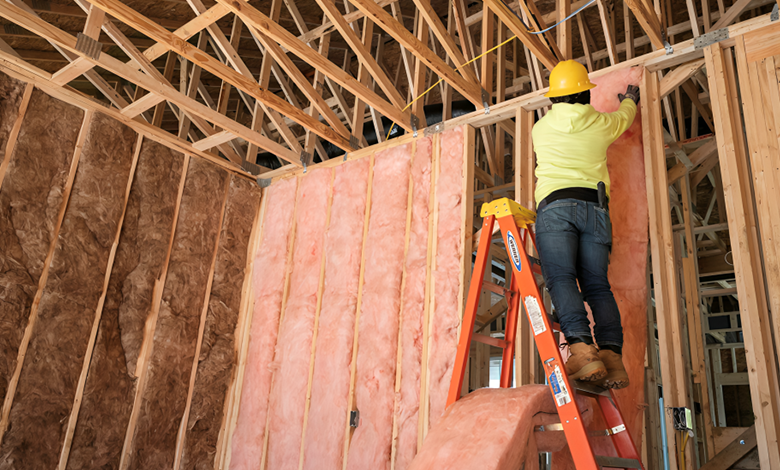
Fiberglass works best when it fills the intended space evenly. Gaps, heavy compression, and missing sections can reduce its ability to resist heat flow.
For example, forcing a thick batt into a shallow cavity can compress it. That reduces the trapped air spaces that help the material slow heat movement.
Installation around pipes, wires, corners, and framing also matters. Small uncovered areas can become weak points where heat passes more easily.
The Department of Energy notes that insulation performance depends heavily on proper installation.
Warning Box: Do not block attic vents with insulation. Proper ventilation and correct placement help prevent other building problems.
How Air Sealing Works With Fiberglass Insulation
Fiberglass slows heat transfer, but it does not stop every air leak. Gaps around attic hatches, pipes, wiring holes, and other openings can still let conditioned air escape.
That is why air sealing and insulation often work best together. Air sealing reduces unwanted airflow, while fiberglass slows heat moving through the building materials.
ENERGY STAR recommends air sealing before adding attic insulation because the combination can improve comfort and energy performance.
How Stable Indoor Temperatures Increase Home Comfort
A comfortable home is not only about the thermostat number. Poor insulation can leave some rooms warmer or colder than others, even when the HVAC system is running.
When heat transfer is reduced, indoor temperatures can stay more consistent. The HVAC system may also have an easier time holding the setting you choose.
In other words, your bedroom is less likely to feel like it has its own private weather forecast.
Conclusion
Fiberglass insulation helps control indoor temperatures by slowing heat movement through walls, ceilings, floors, and attic spaces. It helps keep heat indoors during winter and slows outside heat during summer.
For good results, fiberglass needs the right R-value, even coverage, and proper installation. Air sealing also helps reduce drafts and unwanted airflow. Eagle Mountain Insulation can help identify areas where better insulation may improve indoor temperature control.